May 21, 2026
Kanchenjunga Trek Guide 2026: Routes, Permits and Itinerary
Complete 2026 Kanchenjunga trek guide: six route options to Nepal's third-highest mountain, permits, costs, daily walking and tips from local guides.
Kanchenjunga Trek Guide 2026: Routes, Permits and Itinerary
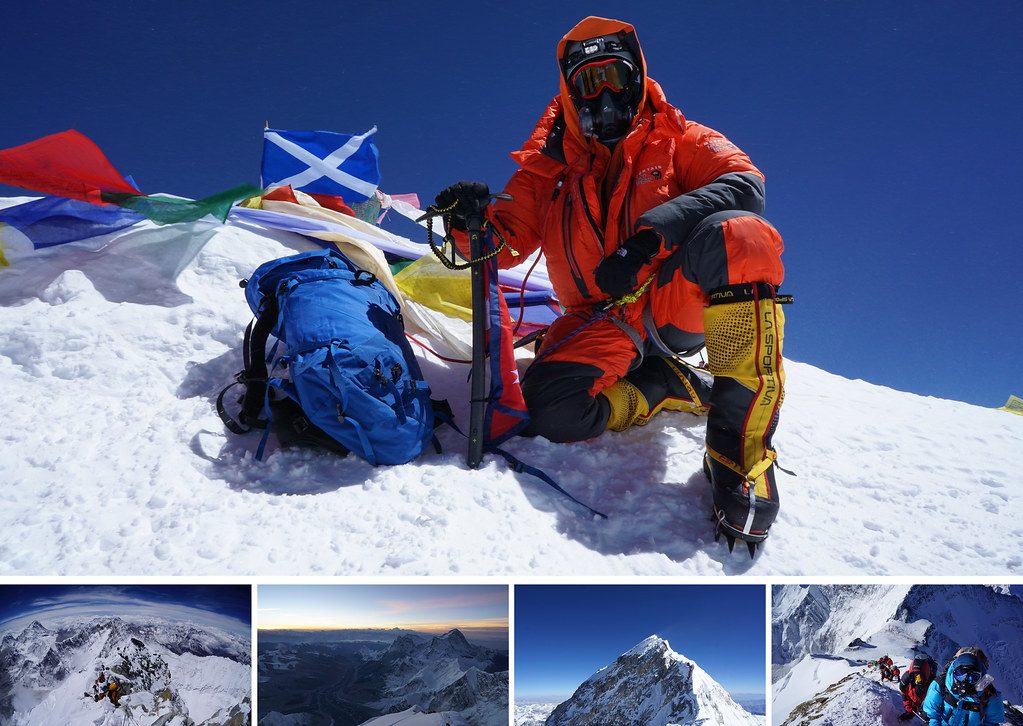
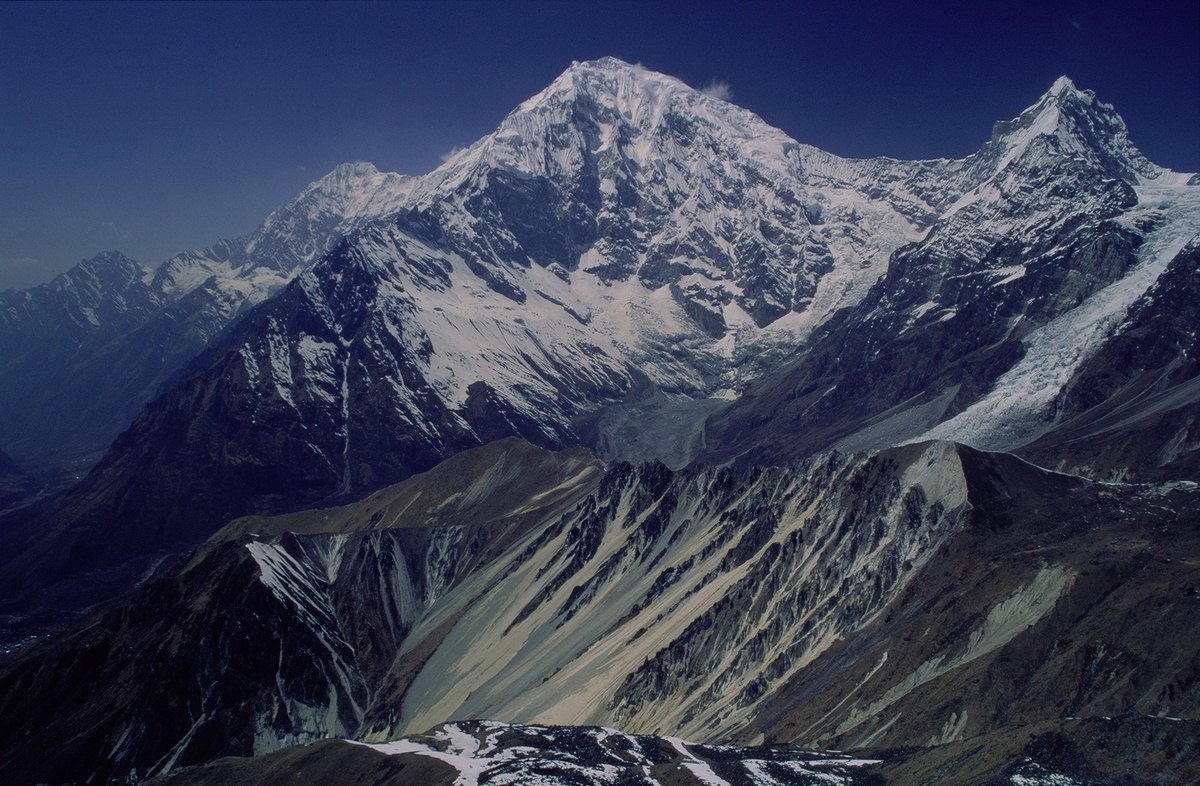
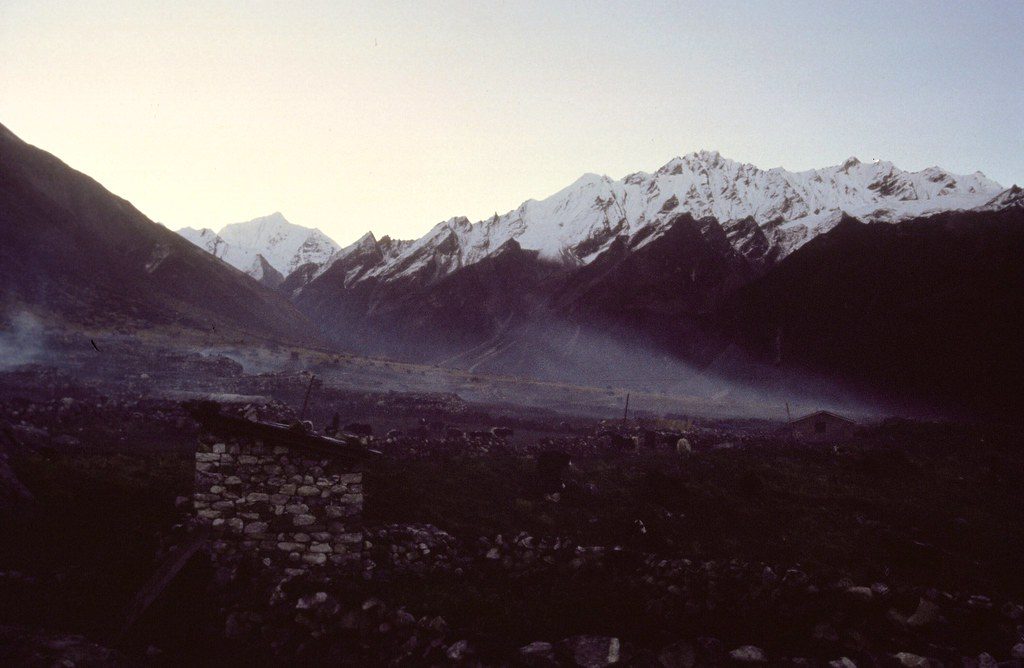
Kanchenjunga (8,586 m) is Nepal's third-highest mountain and arguably its most remote. Tucked into the far north-eastern corner of the country on the Indian border, the region only opened to foreign trekkers in 1988 and still feels like an old-school Himalayan expedition: long approach drives, jungle-clad lower valleys, almost no other Western faces on the trail, and base camp views that rival anything in the Khumbu without any of the crowds. If you have done EBC and Annapurna and want to take a real step into wilderness, Kanchenjunga is where you go. This is our 2026 planning guide.
What "Kanchenjunga" actually means
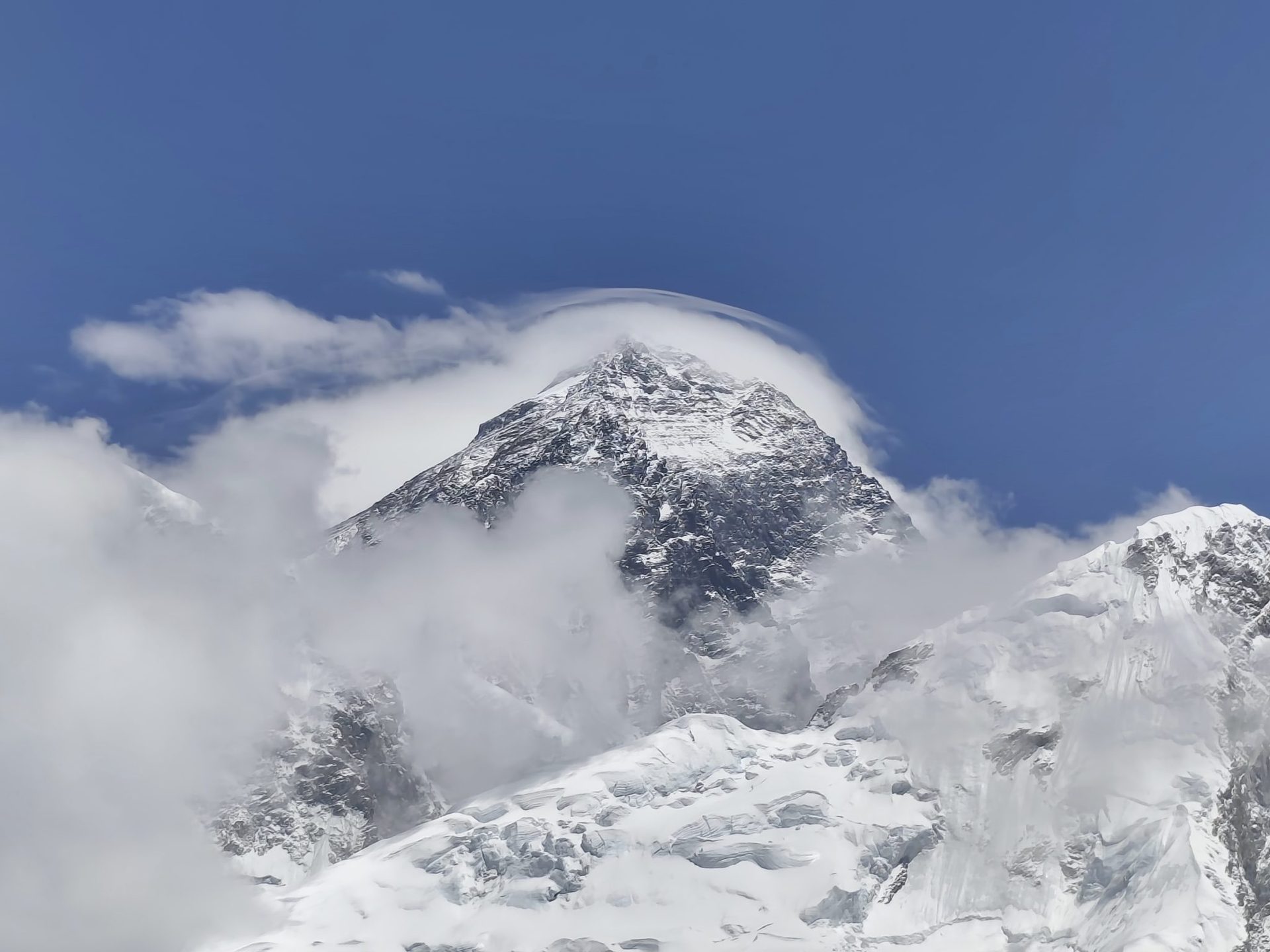
The name comes from Tibetan and translates as "the five treasures of the snowy mountains," a reference to the five major peaks of the massif: Kanchenjunga Main (8,586 m), Yalungkang (8,505 m), Twin Peaks Central and South (both 8,476 m and 8,494 m) and Kangbachen (7,902 m). The mountain straddles the Nepal-India border in Taplejung district, and was first summited in 1955 by a British team led by Charles Evans, who famously stopped a few metres short of the absolute summit out of respect for local belief that the peak is sacred and should remain unconquered.
The six route options
There is not one Kanchenjunga trek, there are at least six. Choose based on time, fitness and how remote you want to go.
1. Kanchenjunga North Base Camp (KNBC) — 14-16 days. Approach via the Ghunsa valley to Pangpema (5,143 m), the classic north-side viewpoint with glacier and Twin Peak views.
2. Kanchenjunga South Base Camp (KSBC) — 12-16 days. Via the Yalung valley to the southern viewpoint, famous for sunrise on the south face.
3. Kanchenjunga Circuit Trek (KCT) — 18-24 days. Combines both base camps with the high passes between them (Sele La 4,290 m and Mirgin La 4,480 m). The full classic experience for fit, experienced trekkers with time.
4. Circuit with Drohmo Ri — 19 days. Adds a summit of Drohmo Ri (6,100 m) for an alpine viewpoint into Sikkim and across the entire massif.
5. Olangchung Gola Trek — 15 days. A remote side trip to a Sherpa-Tibetan trading village near the Tibet border, almost untouched by tourism.
6. Lumba Sumba Pass Trek — 18-20 days. An expedition-style traverse crossing the 5,177 m Lumba Sumba pass to connect Kanchenjunga with the Makalu region.
Our recommendation for most first-time visitors is the full Kanchenjunga Circuit at 19-22 days. If your schedule is tighter, choose KNBC over KSBC for the better mountain views.
Sample itinerary outline (Circuit)
Most Kanchenjunga treks follow this shape:
- Fly Kathmandu to Bhadrapur, drive to Taplejung or Ilam
- Trek through villages of Sekhathum, Amjilosa, Gyabla
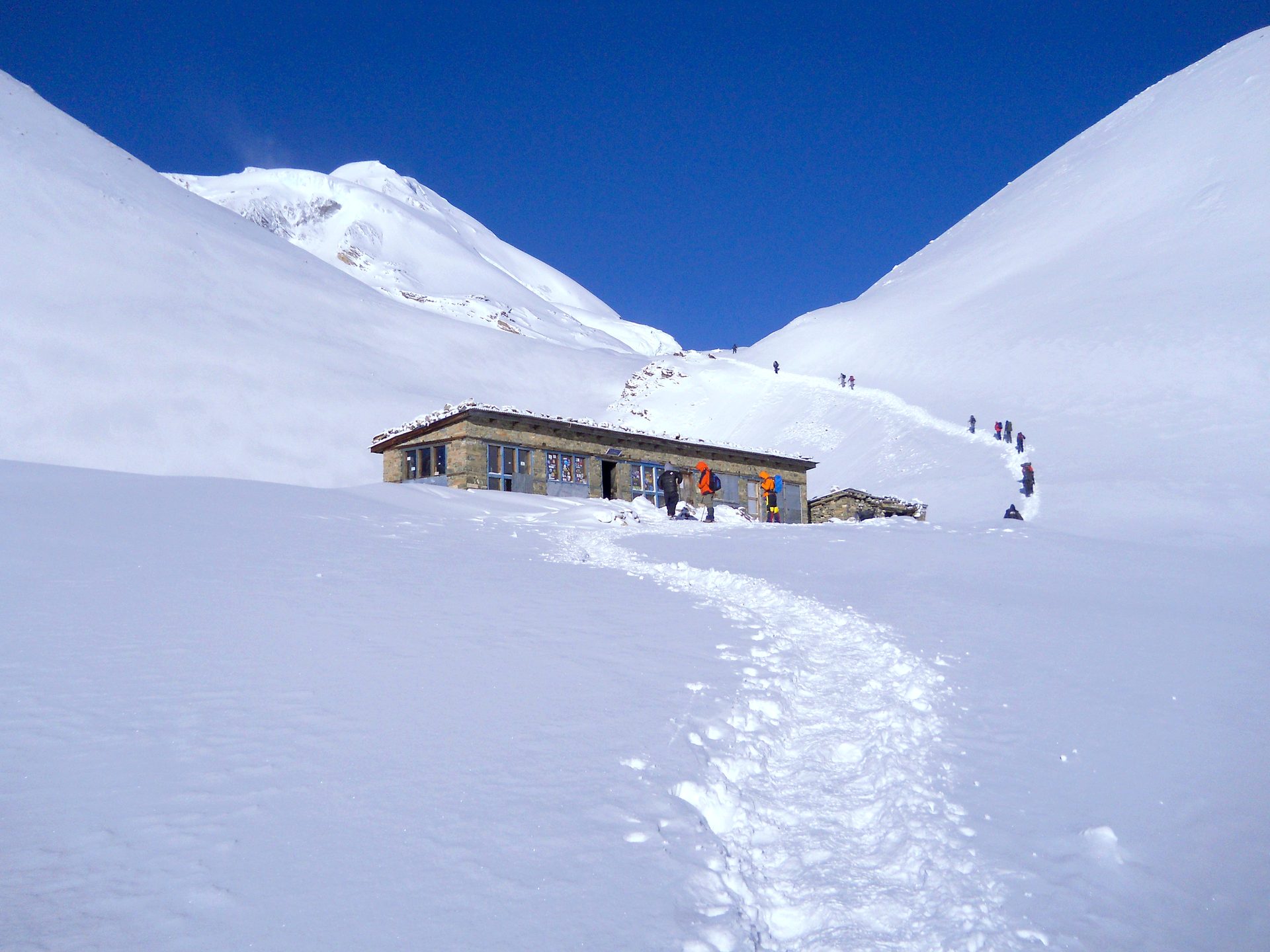
- Reach Ghunsa for acclimatisation (a real cultural highlight)
- Climb to Kanchenjunga North Base Camp (Pangpema)
- Return to Ghunsa, cross Sele La and Mirgin La passes
- Descend to Yalung Base Camp (south side)
- Trek out via Ramche, Tortong, Yamphudin
- Drive to Bhadrapur, fly back to Kathmandu
Permits and rules
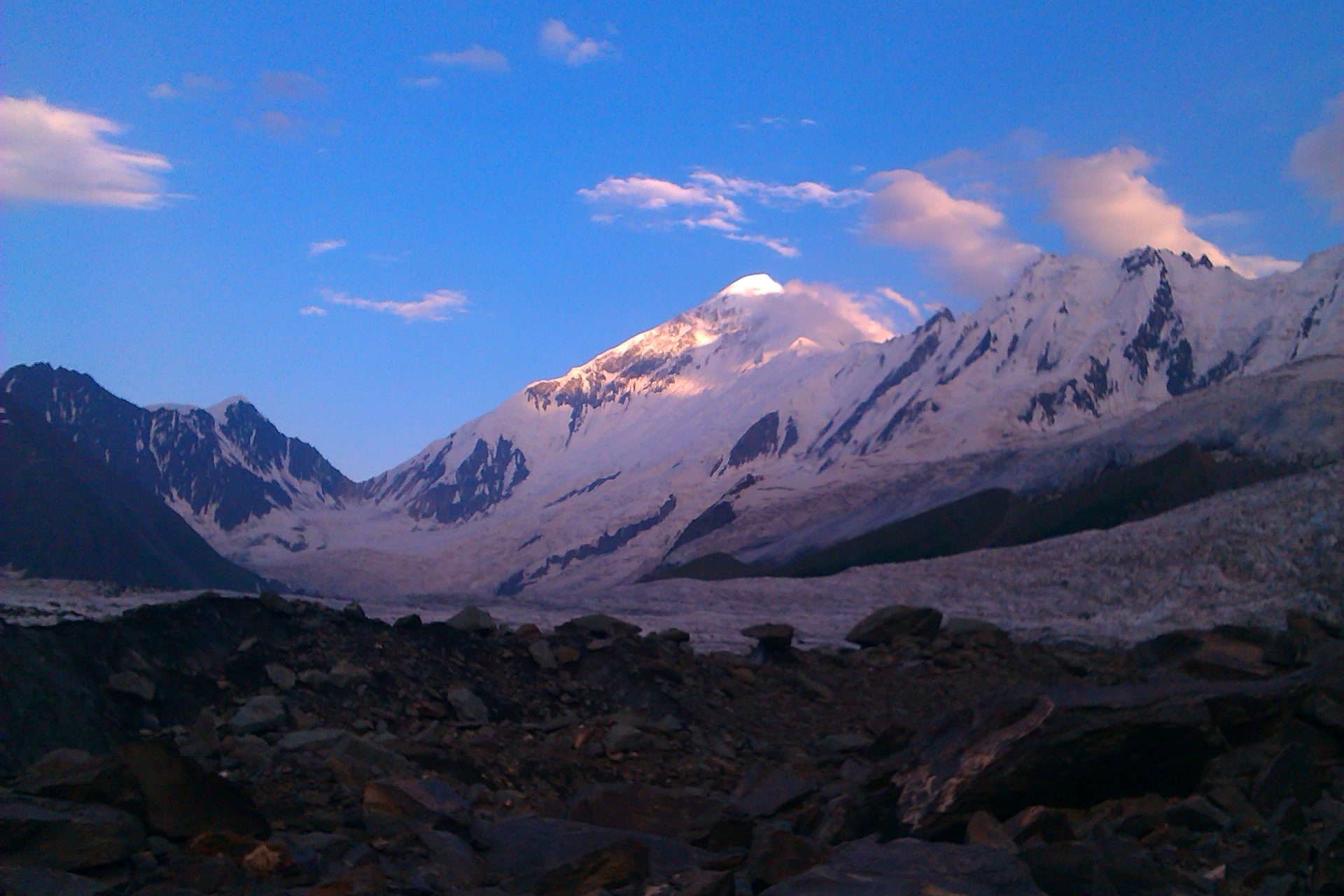
Since March 2026, even solo trekkers can technically obtain Kanchenjunga permits, though we still strongly recommend a minimum of two for safety in such remote terrain. Required permits:
- Kanchenjunga Restricted Area Permit: USD 20 per person per week for the first 4 weeks, USD 25 per week thereafter
- Kanchenjunga Conservation Area Project (KCAP): NPR 3,000 per person, single-entry
Only registered Nepali agencies can apply on your behalf. You will need to provide passport copy, visa, itinerary, insurance certificate and trek dates at least 10 days before departure.
Difficulty, distance and fitness
- Grade: Medium to demanding
- Total distance: approximately 210 km
- Duration: 18-27 days depending on route
- Highest elevation: 5,143 m (Pangpema) or 4,580 m (Yalung Base Camp)
- Daily walking: 6-8 hours typical
No technical climbing is needed, but the trek is long and the trail can be tough underfoot. You should be comfortable with multi-week trekking and good cardiovascular fitness. Acclimatisation days at Ghunsa and Lhonak are non-negotiable.
Accommodation and food
Teahouses have replaced the old camping tradition across most of the route, which is a huge cost saving (Kanchenjunga used to be a fully supported expedition). Lodges are basic: shared bathrooms, twin rooms, simple meals. Standard menu of daal bhat, fried potato, noodle soup, momos and seasonal vegetables. Breakfast is porridge, eggs, Tibetan bread or pancakes. A handful of teahouses in upper sections still close in winter, so spring and autumn are the only realistic windows.
Connectivity
WiFi and mobile coverage extend reliably up to Amjilosa, with patchy service through Ghunsa and Ramche. Above Lhonak there is no signal. Bring a satellite communicator if you want guaranteed contact home (your guide will carry one for emergencies).
Best seasons
- Spring (late March-May): rhododendrons in lower valleys, warming temperatures, occasional cloud
- Autumn (October-mid November): clearest views, coldest mornings, most stable weather
We do not run Kanchenjunga in monsoon (June-September) — landslide risk on the steep lower trails is severe — or winter (December-March), when snow blocks the high passes.
Cost
Daily budget runs USD 60-110 per person all-in, with full guided expeditions in the USD 2,500-3,800 range depending on group size and season. The cost is higher than ABC or Langtang because of the longer duration, more porters required, and the domestic flight to Bhadrapur.
Nine reasons we love Kanchenjunga
- Far less crowded than EBC or Annapurna — you will see more snow leopards than fellow trekkers
- Teahouses now exist all the way through, no more camping required
- Diverse ethnic cultures — Limbu, Rai, Sherpa, and Tibetan villages along one route
- Multiple 7,000 m+ peaks in view on the high section
- The world's third-highest mountain from both north and south sides
- Pristine wilderness — snow leopards, red pandas, black bears, musk deer
- Genuine high passes to test technical pace and fitness
- Authentic hospitality from Sherpa and Limbu hosts who still see trekkers as guests
- Two base camps in one trek if you do the full circuit
Wildlife and conservation
Kanchenjunga Conservation Area (KCAP) covers 2,035 km² of pristine eastern Himalayan habitat. It is one of the country's most important biodiversity zones, with snow leopard, red panda, Himalayan black bear, musk deer and over 250 bird species recorded. WWF works closely with KCAP on conservation, and a portion of your permit fee directly funds anti-poaching and habitat protection.
Practical recommendations from our guides
- Hire a guide fluent in Tibetan as well as Nepali for the upper villages
- Do not try to do the full circuit in under 18 days
- Pack for serious cold — Pangpema mornings can hit -20°C in November
- Bring a satellite communicator
- Train hard — three to four months of structured cardio and hill walking
- Read Cameron M. Burns and Andy Cave on the region before you go
Plan your Kanchenjunga trek
Kanchenjunga is one of our most rewarding expeditions to run, and one of the few where senior guide experience genuinely matters for safety. Browse our Nepal trek collection or contact our Kathmandu team to design a Kanchenjunga itinerary for the 2026 spring or autumn season.
More stories
Sep 12, 2026
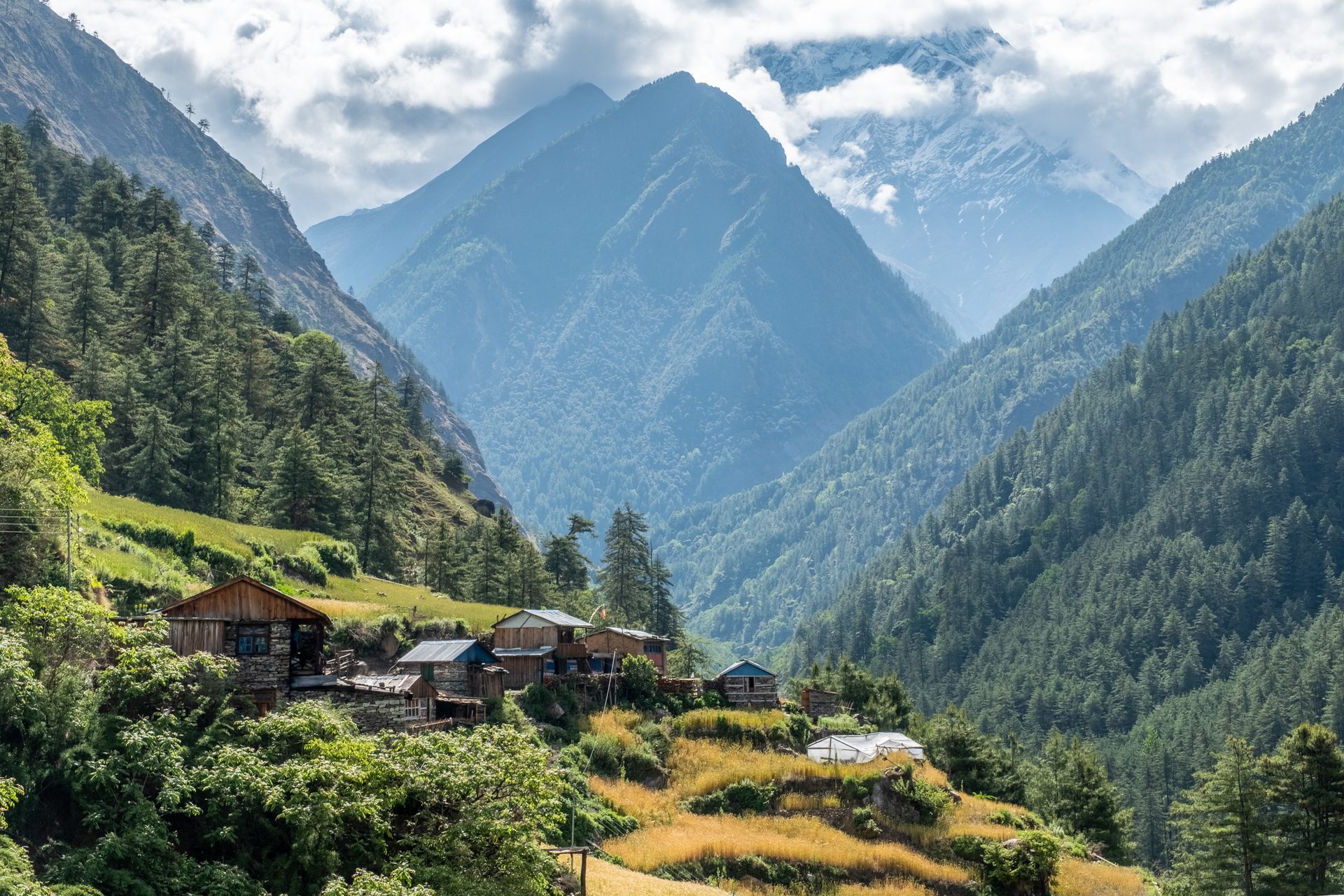
Five Weeks in the Tsum Valley: A Trekker's Story
May 21, 2026
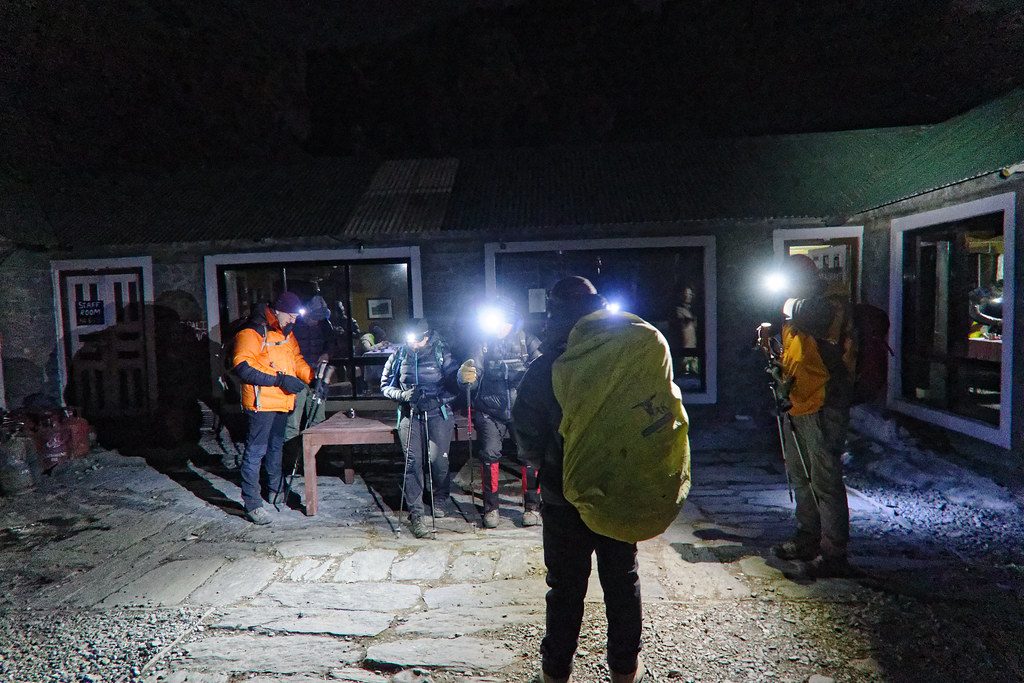
Why Trek in Nepal? Nine Honest Reasons from Local Guides
May 21, 2026
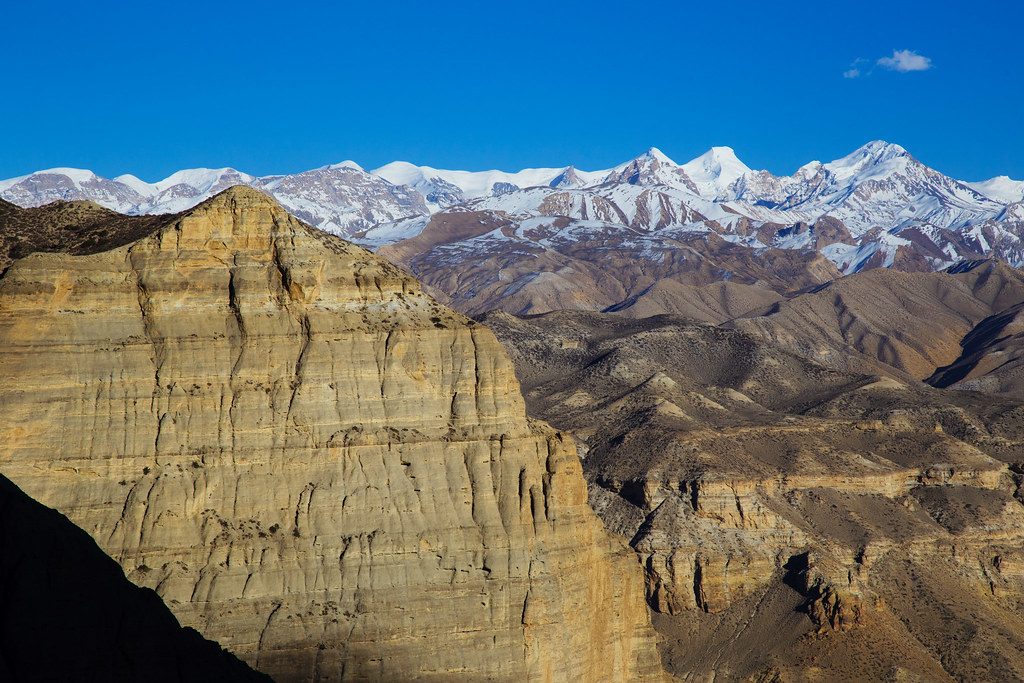
The Villages of Upper Mustang: A Field Guide to Lo Tsho Dyun
May 21, 2026
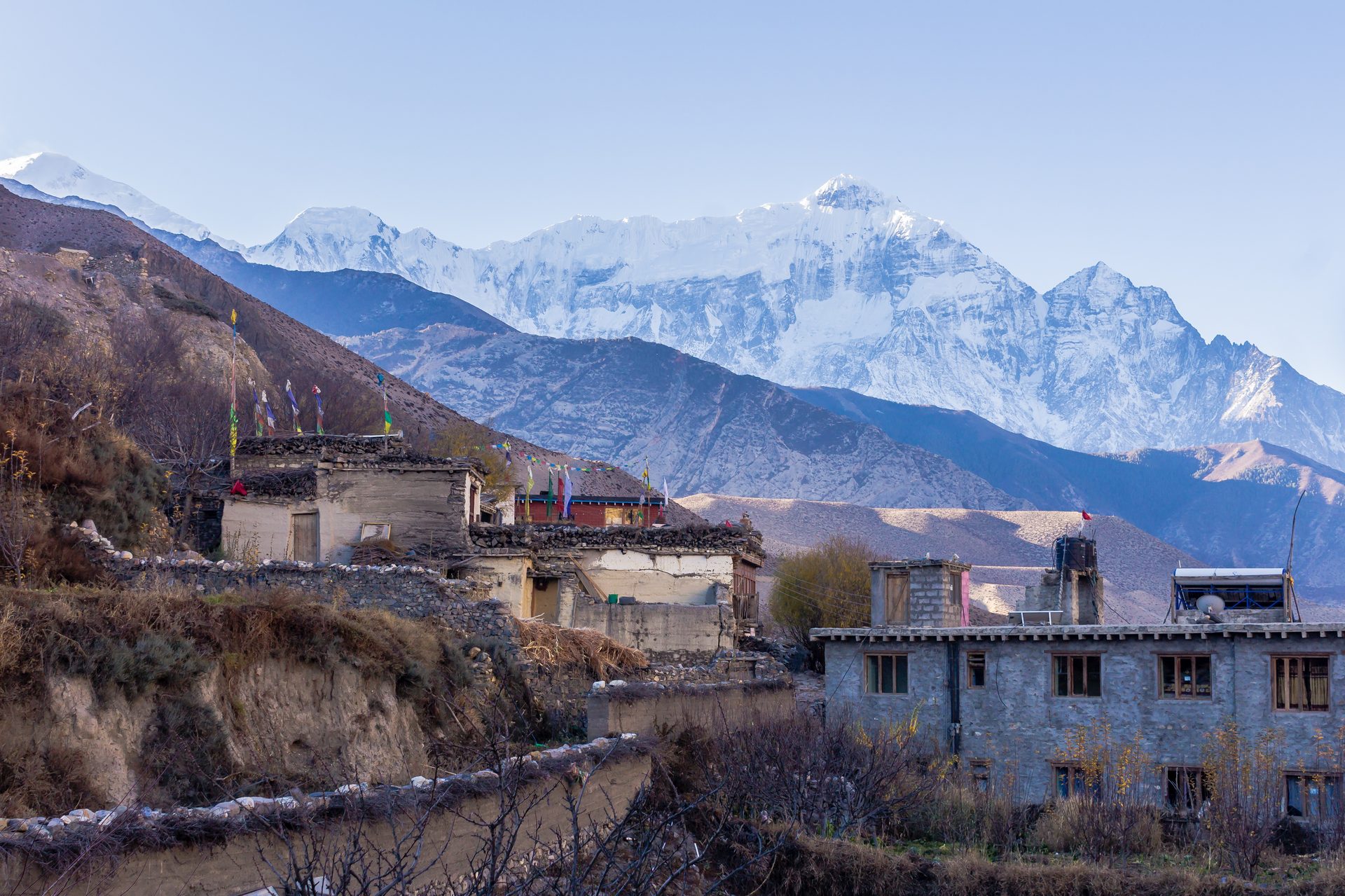
7 Best Upper Mustang Trekking Routes for 2026
May 21, 2026
Upper Mustang Jeep Tour: Lo Manthang Without the Trek
May 21, 2026
Festivals of Upper Mustang: 6 Cultural Events That Define the Year
May 21, 2026
Tsum Valley Trek: The Essential Guide for 2026
May 21, 2026
Tsum Valley: The History of the Shyagya Non-Violence Tradition
May 21, 2026
Nepal Trekking Gear Checklist: What to Pack for the Himalaya
May 21, 2026
Top 10 Hidden Hikes in Nepal's Enchanting Tsum Valley
May 21, 2026
Tilicho Lake via Mesokanto Pass: Short, Wild Mustang Trek
May 21, 2026
Tiji Festival in Upper Mustang: Dates, Rituals and 2026-27 Guide
May 21, 2026
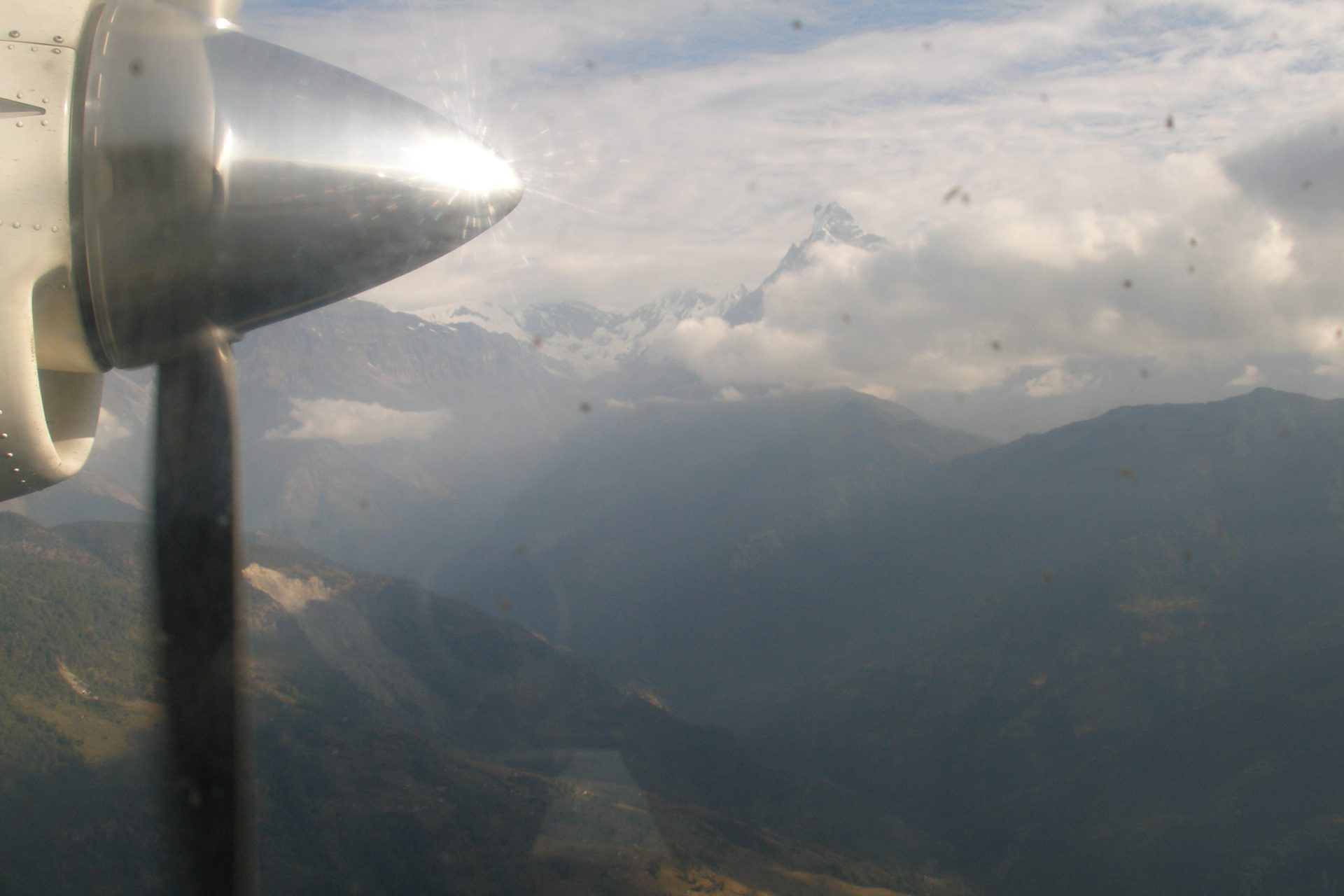
6 Least-Trekked Places in Nepal Worth Going to in 2026
May 21, 2026
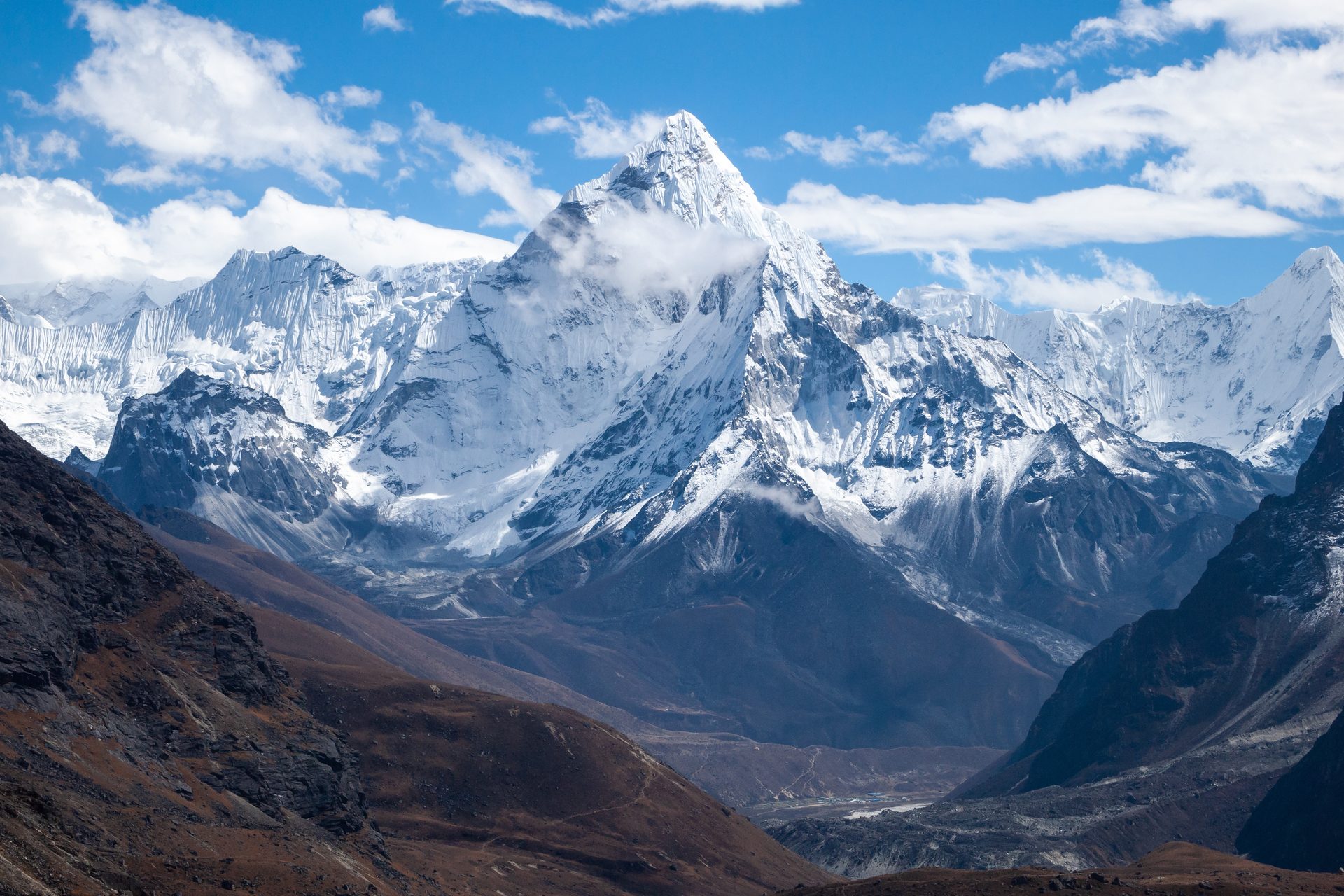
Rolwaling & Lapche Valley Trek: Gaurishankar's Hidden Routes
May 21, 2026
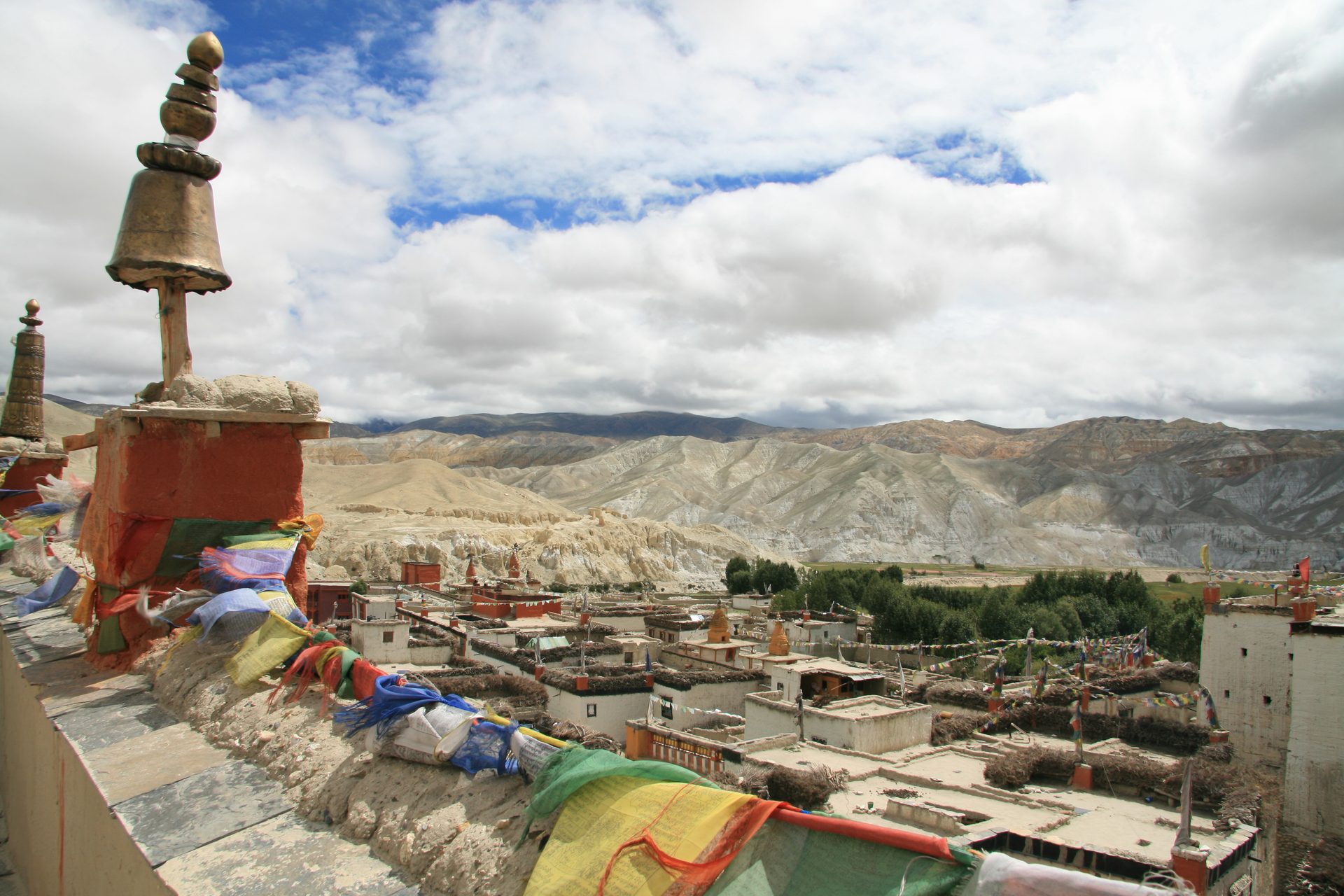
8 Reasons to Visit Upper Mustang in 2026
May 21, 2026
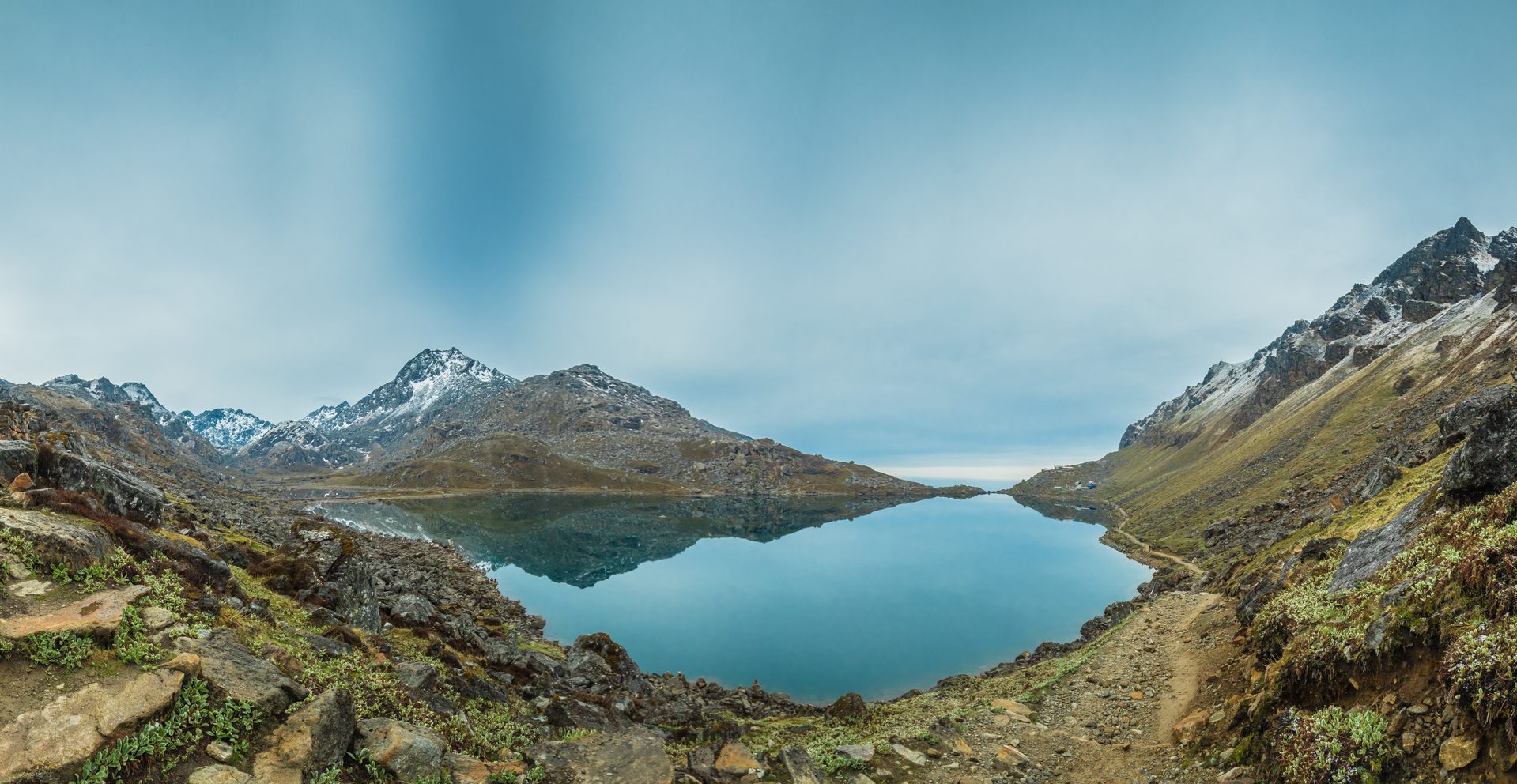
Panch Pokhari Trek: Sacred Lakes North of Kathmandu
May 21, 2026
North Annapurna Base Camp Trek: Nepal's Quiet Alternative
May 21, 2026
Nepal Visa Guide 2026: Everything Trekkers Need to Know
May 21, 2026
Nepal Visa: The Complete 2026 Guide for Trekkers
May 21, 2026
Nepal Trekking Permits and Costs 2026: The Complete Guide
May 21, 2026
Nepal Trekking Equipment Checklist: What to Actually Pack (2026)
May 21, 2026
Monasteries of Dolpo: Sacred Gompas of Hidden Nepal
May 21, 2026
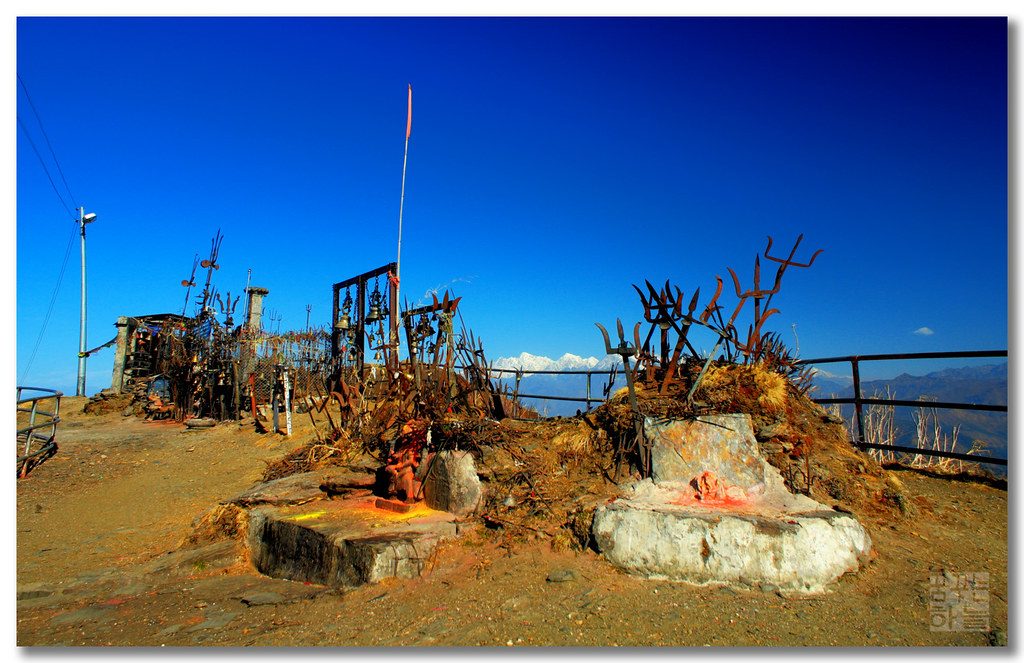
Manungkot Viewpoint: Nepal's Sunrise Above the Clouds
May 21, 2026
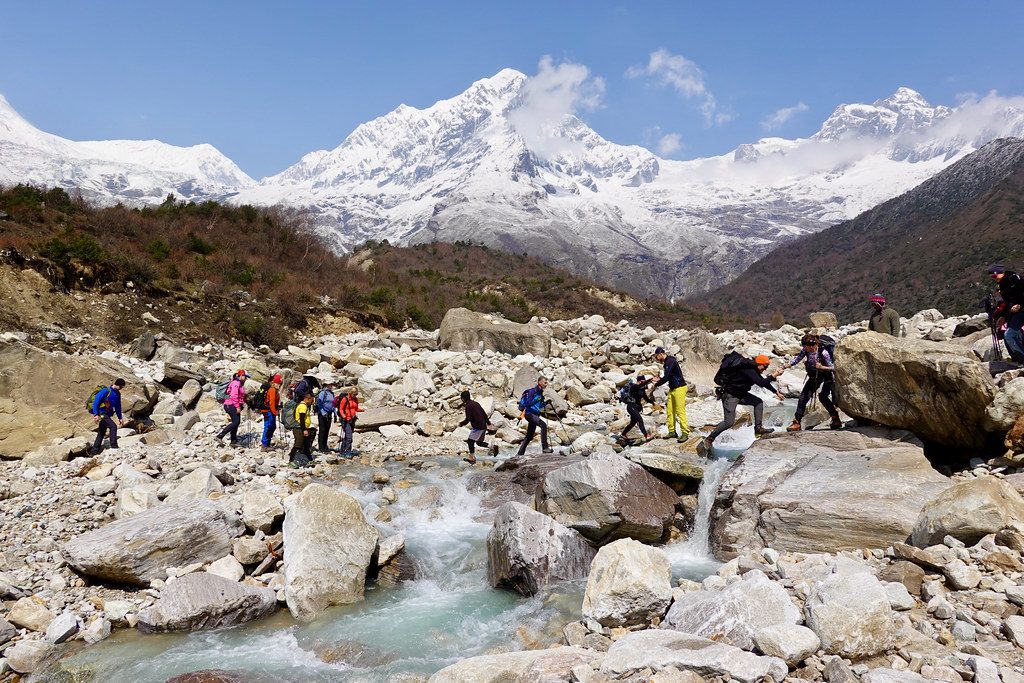
Manaslu Circuit Trek: Complete 2026 Guide
May 21, 2026
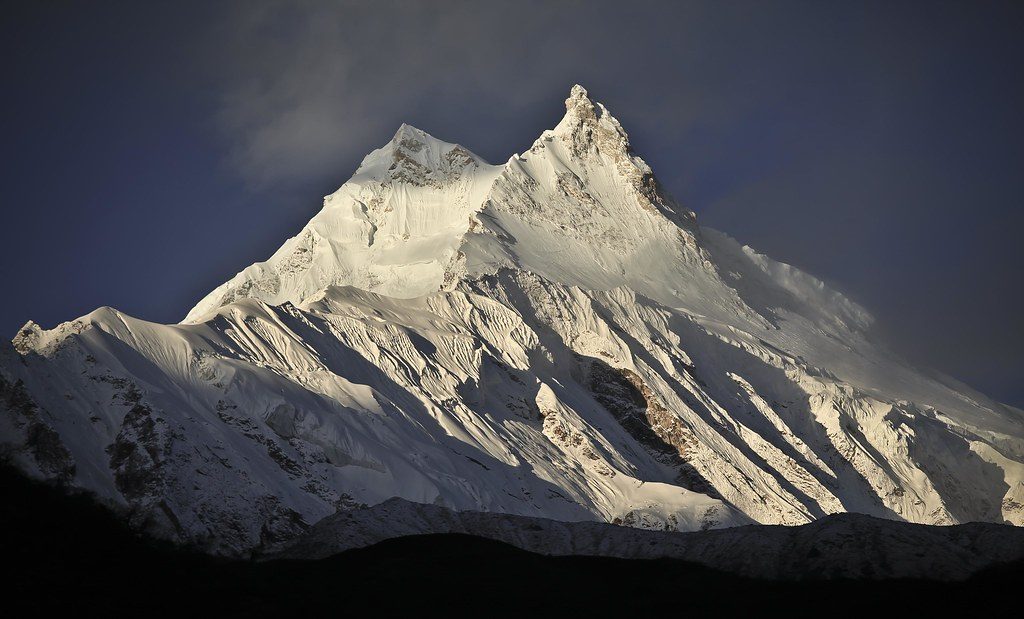
Manaslu Circuit Trek 2026: A Complete Guide from Kathmandu
May 21, 2026
Kirtipur Day Trip: Kathmandu's Living Newari Hill Town
May 21, 2026
Kanchenjunga Trek Guide 2026: Routes, Permits and Itinerary
May 21, 2026
Kalinchowk: Nepal's Easiest Winter Snow Escape from Kathmandu
May 21, 2026
High Pass Treks in Nepal: 16 Crossings Above 5,000 m
May 21, 2026
Everest Base Camp Trek: The Complete 2026 Guide
May 21, 2026
Everest Base Camp Trek: A Complete 2026 Guide from Kathmandu
May 21, 2026
Dolpo Trekking Guide 2026: Routes, Permits and Practical Tips
May 21, 2026
12 Best Treks in Nepal for 2026: A Local Guide's Honest Ranking
May 21, 2026
The 6 Best Summer (Monsoon) Treks in Nepal
May 21, 2026
17 Best Himalayan Viewpoints in Nepal (Ranked by Local Guides)
May 21, 2026
Best Day Hikes in and Around Kathmandu Valley
May 21, 2026
10 Best Day Hikes Around the Kathmandu Valley
May 21, 2026
Ama Yangri Peak: A 3-Day Hike From Kathmandu with Big Mountain Views
May 21, 2026