May 21, 2026
Everest Base Camp Trek: A Complete 2026 Guide from Kathmandu
Everything you need to know about Everest Base Camp Trek in 2026: 12-day itinerary, permits, packing, best seasons and altitude tips from local guides.
Everest Base Camp Trek: A Complete 2026 Guide from Kathmandu
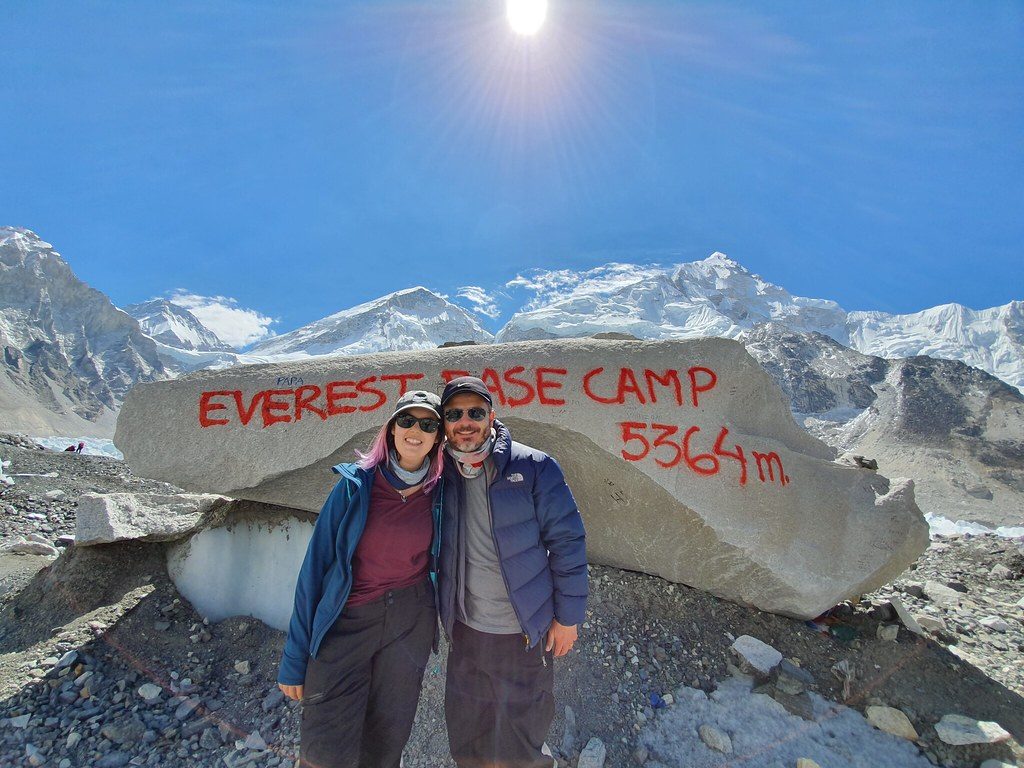
The Everest Base Camp Trek is the trek almost every serious hiker eventually wants to do, and for good reason. Standing at 5,364 metres at the foot of the world's highest mountain is one of the great achievable bucket-list moments in adventure travel, sitting somewhere between the Inca Trail and a real climbing expedition. This guide walks you through the route as our senior Nepali guides run it: the 12-day itinerary, the permits and costs, the packing list, the seasons that work, and the small details that decide whether you summit Kala Patthar grinning or wheezing.
Why EBC, and what makes it different
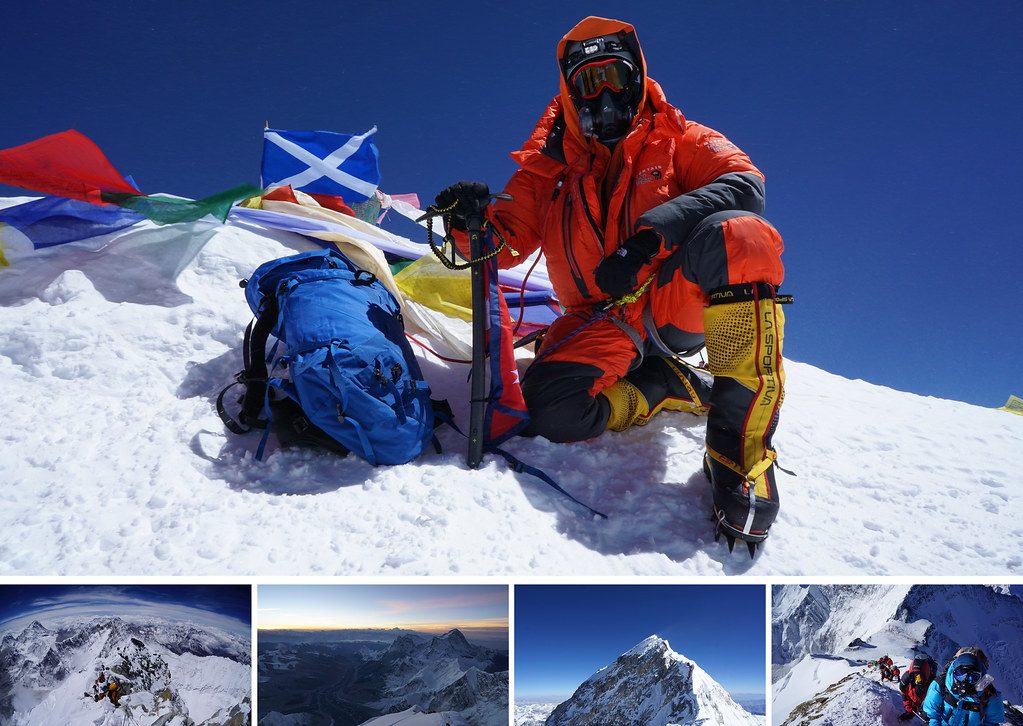
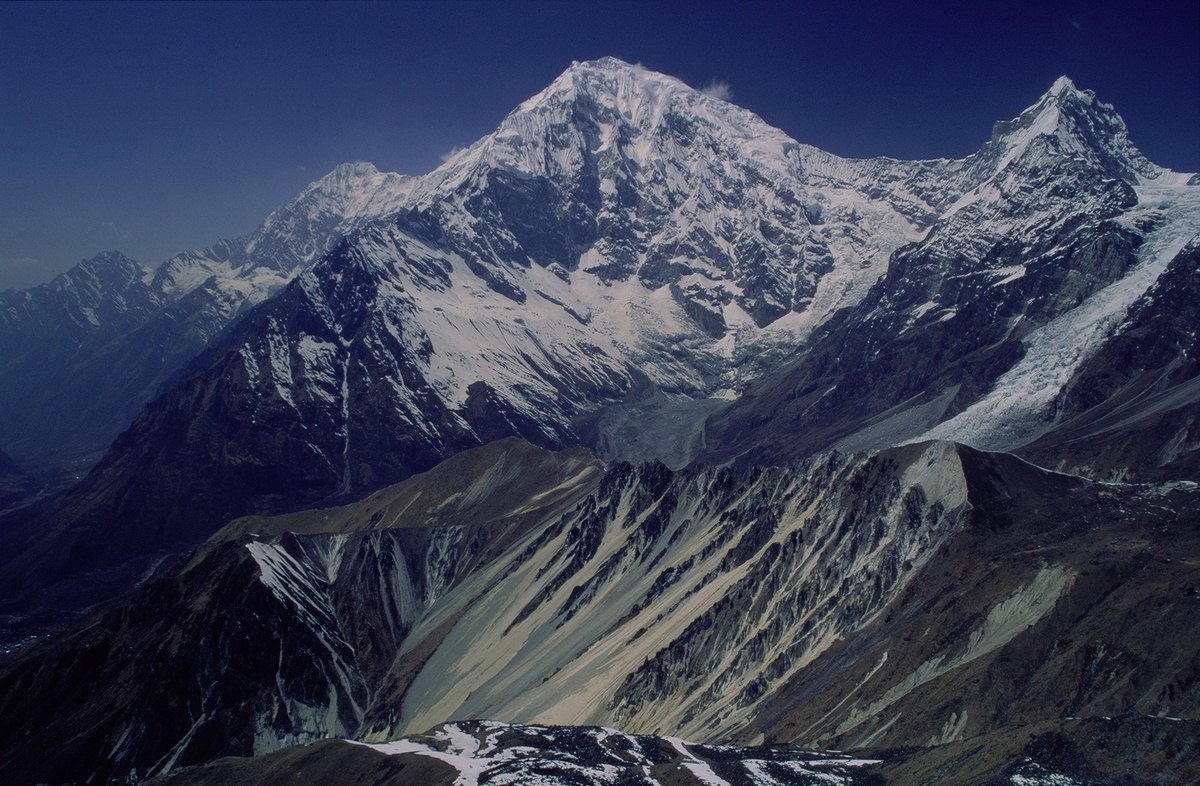
EBC sits in the Khumbu valley of Solukhumbu district in north-east Nepal, inside Sagarmatha National Park. Mount Everest itself, called Sagarmatha in Nepali and Chomolungma in Tibetan, rises to 8,848.86 metres. The base camp on the south side at 5,364 m is where every Everest expedition stages its summit attempts in April and May. For trekkers, the prize is not actually base camp itself (which is a chaotic moraine of climbing tents in season) but the sunrise climb to Kala Patthar at 5,545 m, where Everest, Nuptse, Pumori and Lhotse line up in a row.
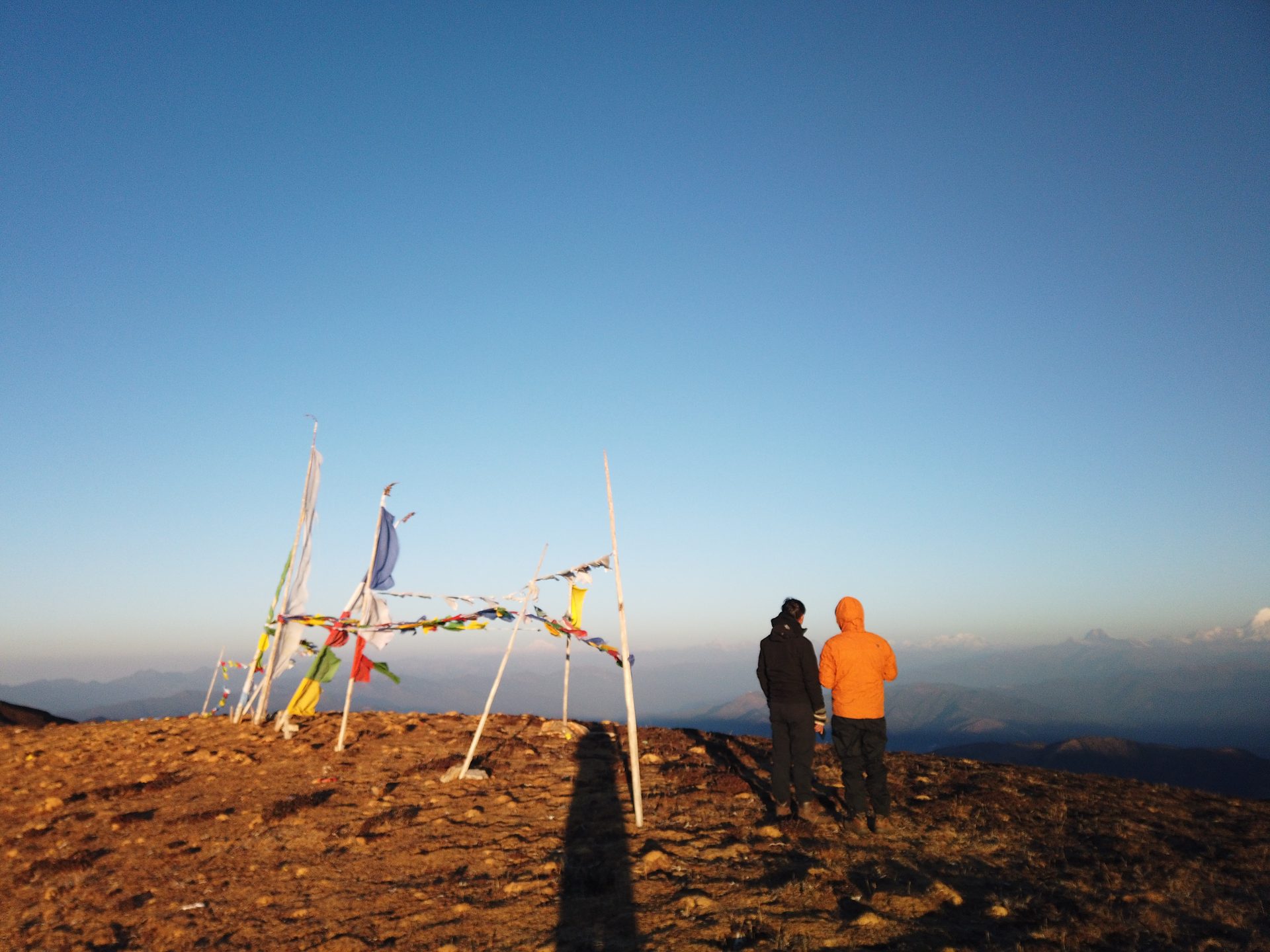
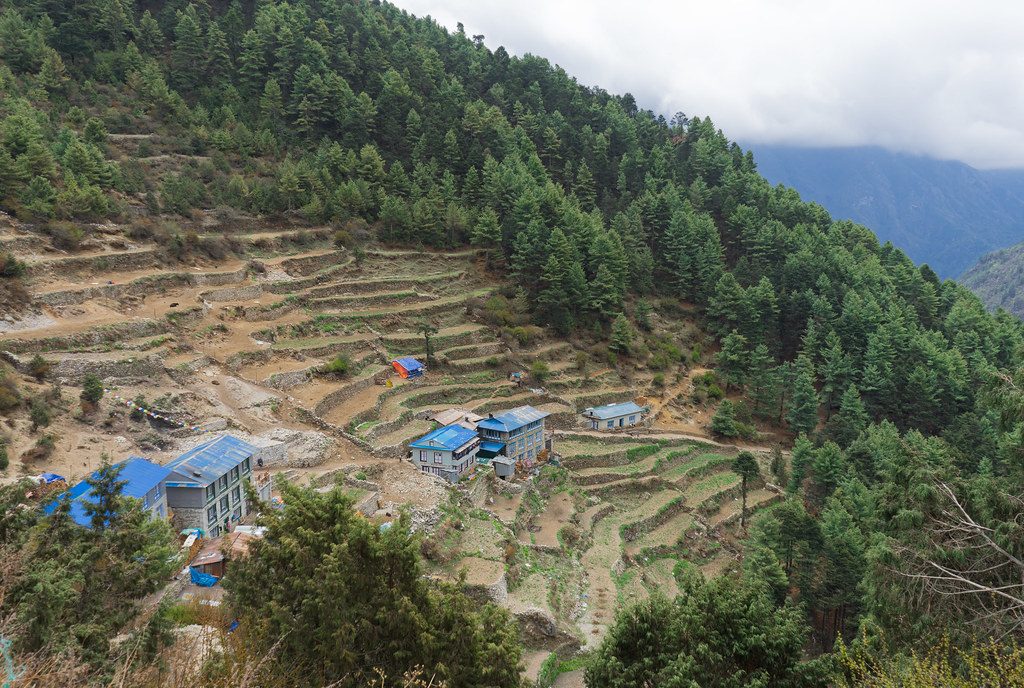
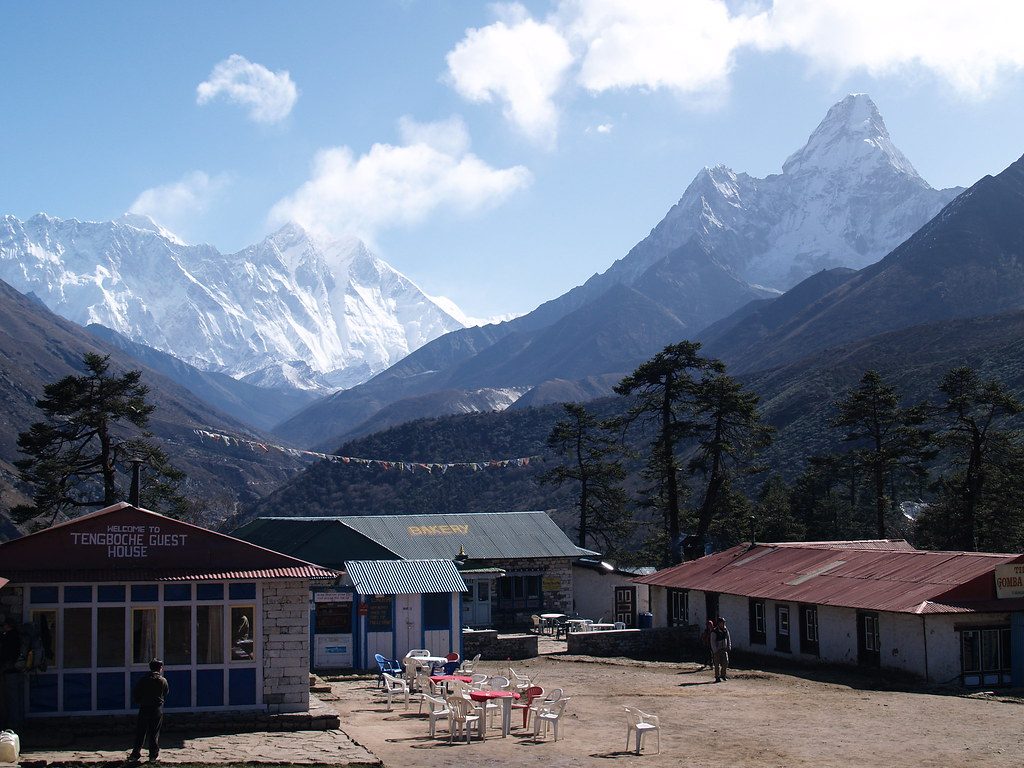
Beyond the summit views, what makes the Khumbu special is the living Sherpa culture. Villages like Namche Bazaar, Khumjung, Tengboche and Dingboche are not stage sets for tourists, they are working Buddhist communities with monasteries that have been chanting morning puja for centuries. The infrastructure here is also the best on any Nepali trek: well-maintained trails, comfortable lodges, rescue helicopters within an hour, and properly trained Sherpa guides.
How to get there
The standard approach is a 40-minute flight from Kathmandu (or Ramechhap in the high season) to Lukla at 2,840 m. Lukla's airstrip is famous for being short and dramatic, but in good weather it is a safe, routine flight that thousands of trekkers take each year. From Lukla you walk.
If you want to avoid the Lukla flight (cancellations during cloud cover are common) we run two alternative approaches:
- Salleri to EBC: a longer overland start that adds 4-5 walking days but eliminates the flight risk
- Rolwaling to EBC via Tashi Lapcha Pass: a technical, more remote crossing for experienced trekkers
Both approaches save money, give you better acclimatisation, and put you on much quieter trails for the first week.
12-day classic itinerary
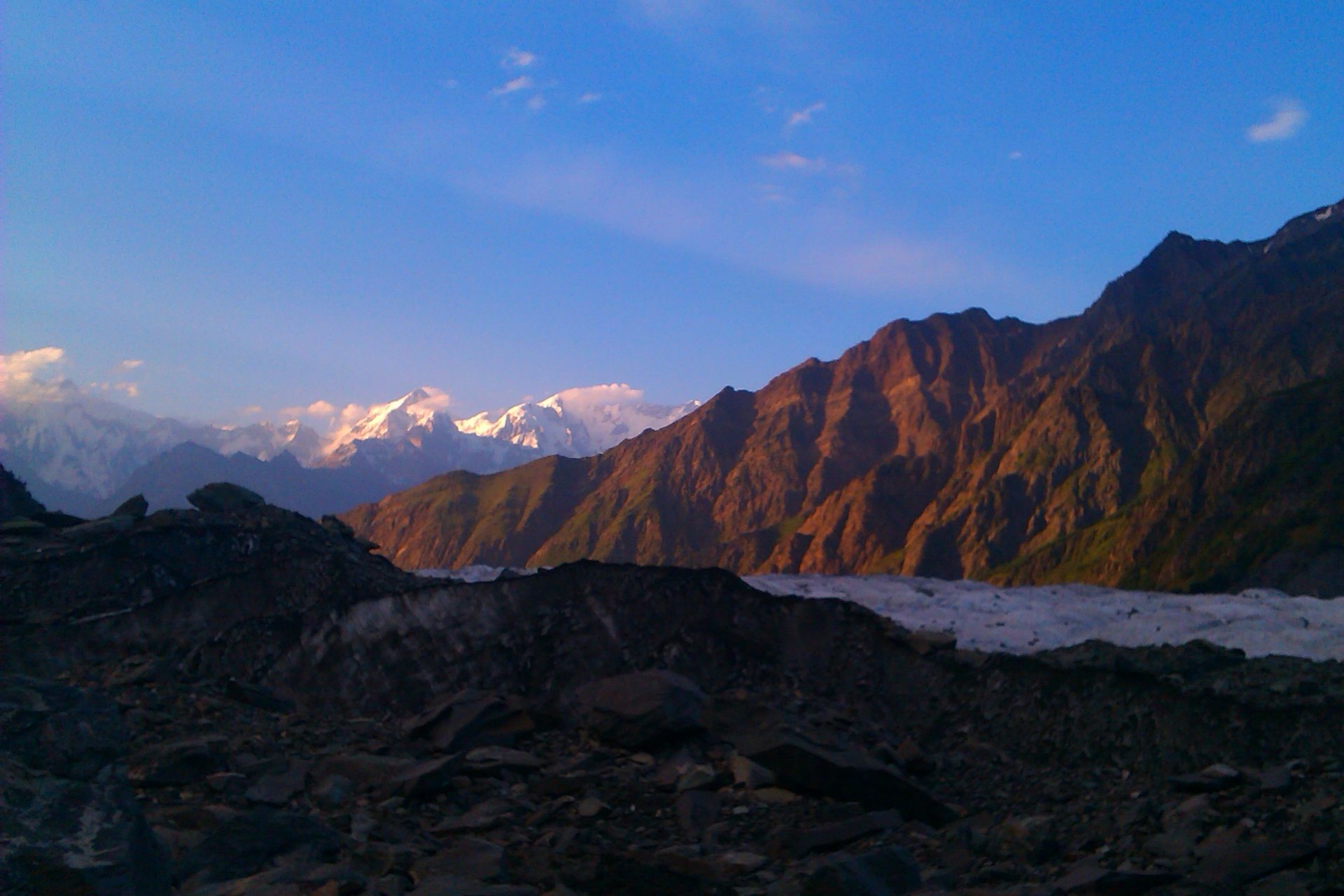
This is the schedule we use for fit, well-prepared trekkers. Slower-paced 14 and 16-day versions are available on request.
- Day 1: Fly Kathmandu to Lukla (2,840 m), trek to Phakding (2,651 m) — 3-4 hrs
- Day 2: Phakding to Namche Bazaar (3,438 m) — 5-6 hrs
- Day 3: Acclimatisation day in Namche
- Day 4: Namche to Tengboche (3,870 m) — 5-6 hrs
- Day 5: Tengboche to Dingboche (4,360 m) — 5 hrs
- Day 6: Acclimatisation day in Dingboche
- Day 7: Dingboche to Lobuche (4,940 m) — 5 hrs
- Day 8: Lobuche to Gorak Shep (5,164 m), afternoon to EBC (5,364 m) — 7-8 hrs
- Day 9: Sunrise Kala Patthar (5,545 m), descend to Pheriche — 7-8 hrs
- Day 10: Pheriche to Kyanjuma (3,550 m) — 6-7 hrs
- Day 11: Kyanjuma to Lukla (2,840 m) — 7-8 hrs
- Day 12: Lukla to Kathmandu by morning flight
The two acclimatisation days are non-negotiable. They are the single biggest factor in whether you make it to base camp without getting sick.
Best seasons
Two windows work cleanly:
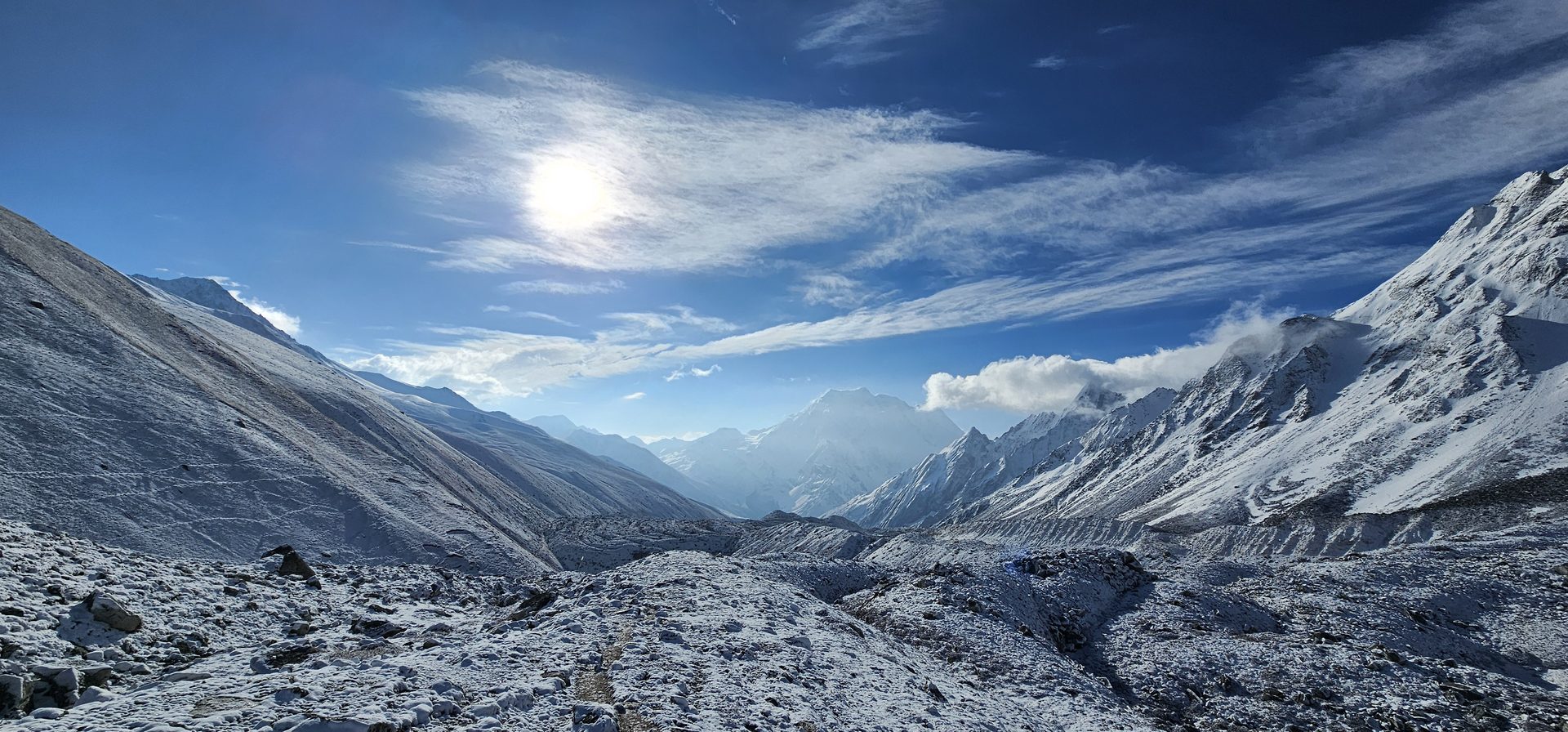
- Spring (March-May): warmer days, rhododendrons in bloom from late March, Everest expedition season buzz at base camp
- Autumn (October-December): crisp air, the clearest mountain views of the year, slightly colder nights
We strongly discourage monsoon (June-August), when leeches, slippery trails, low cloud and landslides ruin both safety and views, and mid-winter (January-February) when nightly temperatures at Gorak Shep drop to -25°C and many teahouses close.
Permits and costs
Two permits are needed for EBC, both can be arranged by your agency before you fly:
- Sagarmatha National Park entry: NPR 3,000 (USD 22), or USD 15 for SAARC nationals
- Khumbu Pasang Lhamu Rural Municipality fee: NPR 3,000 (USD 22), collected at Lukla
There is no TIMS requirement on EBC. Total park and municipality cost runs about USD 45. The bulk of your trip cost is the Lukla flight, guides, porters and lodges. A full guided trip with us typically falls in the USD 1,400-2,000 range depending on season and group size.
Packing list
A condensed version of our full briefing, the gear that actually matters:
Footwear
- Broken-in waterproof trekking boots (this is critical)
- Lightweight camp shoes for evenings
- Wool/merino trekking socks plus liner socks
Layers
- Moisture-wicking base layers (top and bottom)
- Fleece or synthetic mid-layer
- Down jacket rated to -10°C minimum
- Hard-shell waterproof jacket
- Trekking pants plus an insulated pant for above 4,500 m
Head and hands
- Warm hat or buff
- Sun hat
- Inner gloves plus insulated outer gloves
- Category-4 sunglasses (snow blindness is real)
Sleeping and carrying
- 4-season sleeping bag rated to -15°C
- 50-60L duffel for the porter
- 25-30L daypack
- Trekking poles
- Headlamp with spare batteries
Health and safety
- Personal first-aid kit
- Diamox (acetazolamide) prescribed by your doctor
- Ibuprofen, throat lozenges, blister plasters
- Water purification tablets or SteriPen
- Sunblock and lip balm with SPF 30+
Five tips that will make or break your trek
-
Acclimatise properly. Build at least two rest days into your itinerary. Climb high, sleep low. Drink three to four litres of water a day. If you feel dizzy, nauseous or short of breath at rest, descend, do not push on.
-
Pack light, then halve it. Your porter carries 10 kg per trekker. Anything you do not actually need is a tax on your knees and his shoulders.
-
Hydrate aggressively. Dehydration mimics and worsens altitude sickness. Skip alcohol entirely above Namche, and limit caffeine to one cup a day.
-
Train for it. Three months of structured cardio (running, cycling, stair-climbing with a loaded pack) is the minimum. Strong legs and a strong heart make the trek enjoyable rather than survival mode.
-
Respect the culture. Walk clockwise around mani walls and stupas, ask before photographing people, and tip your guide and porter generously. They are the reason your trip works.
Difficulty and who can do it
EBC is rated moderate-to-strenuous. No technical climbing is required, but you are walking for 12 days, often in thin air, on rocky uneven trails. Anyone in good cardiovascular health with prior multi-day hiking experience can complete it with proper preparation. The youngest trekkers we have led to base camp were 12, the oldest in their late seventies.
Plan your Everest Base Camp trek with us
We run small EBC groups led by senior Sherpa guides who grew up in the Khumbu. We handle flights, permits, lodges, porters and emergency cover end-to-end. Browse our full Nepal trek collection or contact us to lock in dates for the 2026 spring or autumn season.
More stories
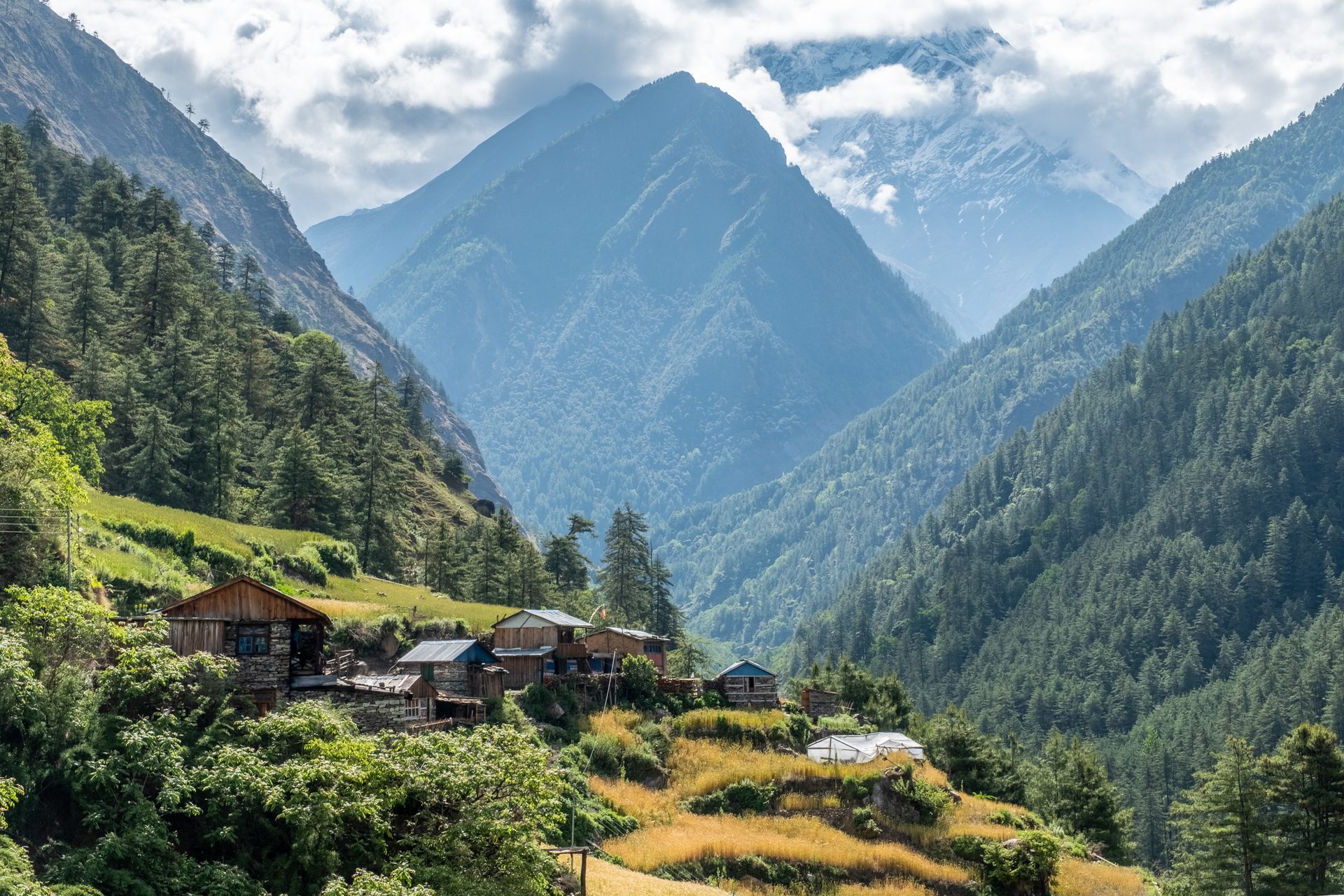
Sep 12, 2026
Five Weeks in the Tsum Valley: A Trekker's Story
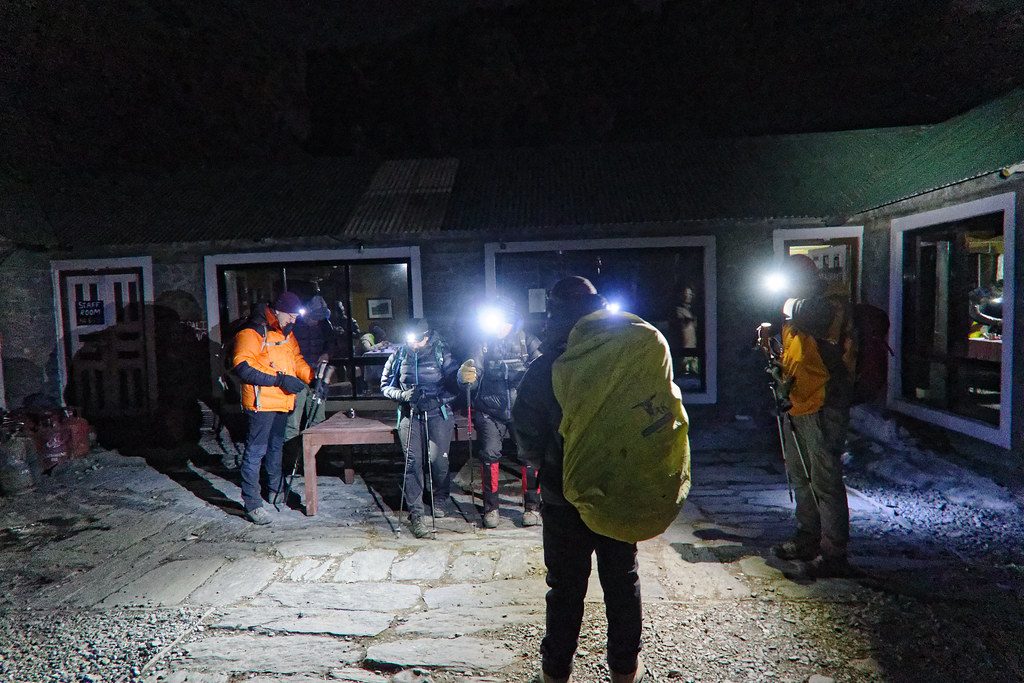
May 21, 2026
Why Trek in Nepal? Nine Honest Reasons from Local Guides
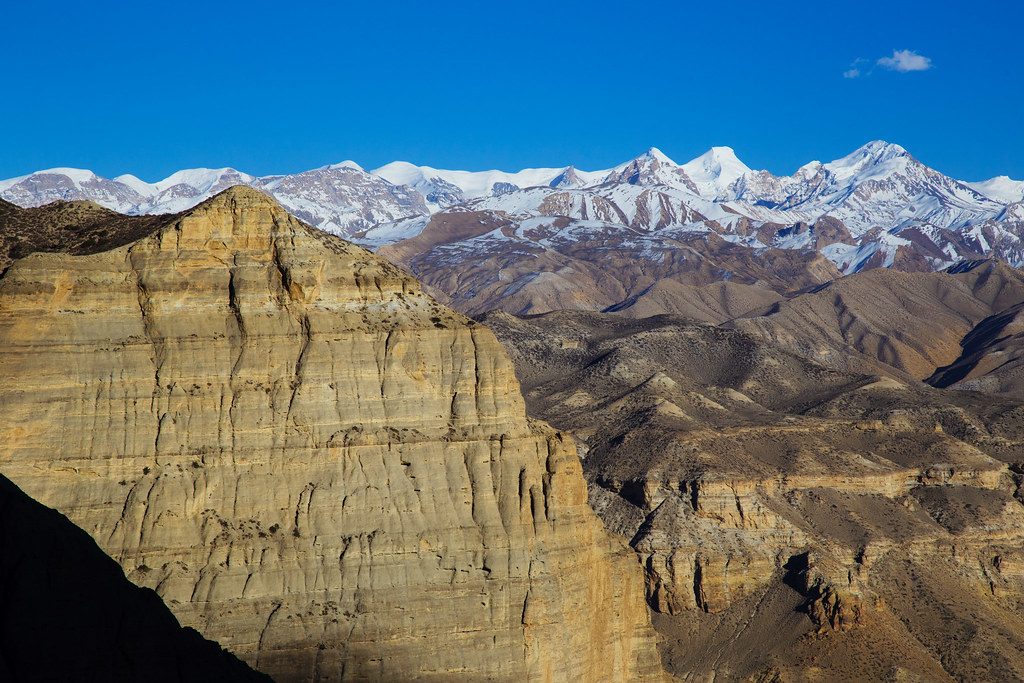
May 21, 2026
The Villages of Upper Mustang: A Field Guide to Lo Tsho Dyun
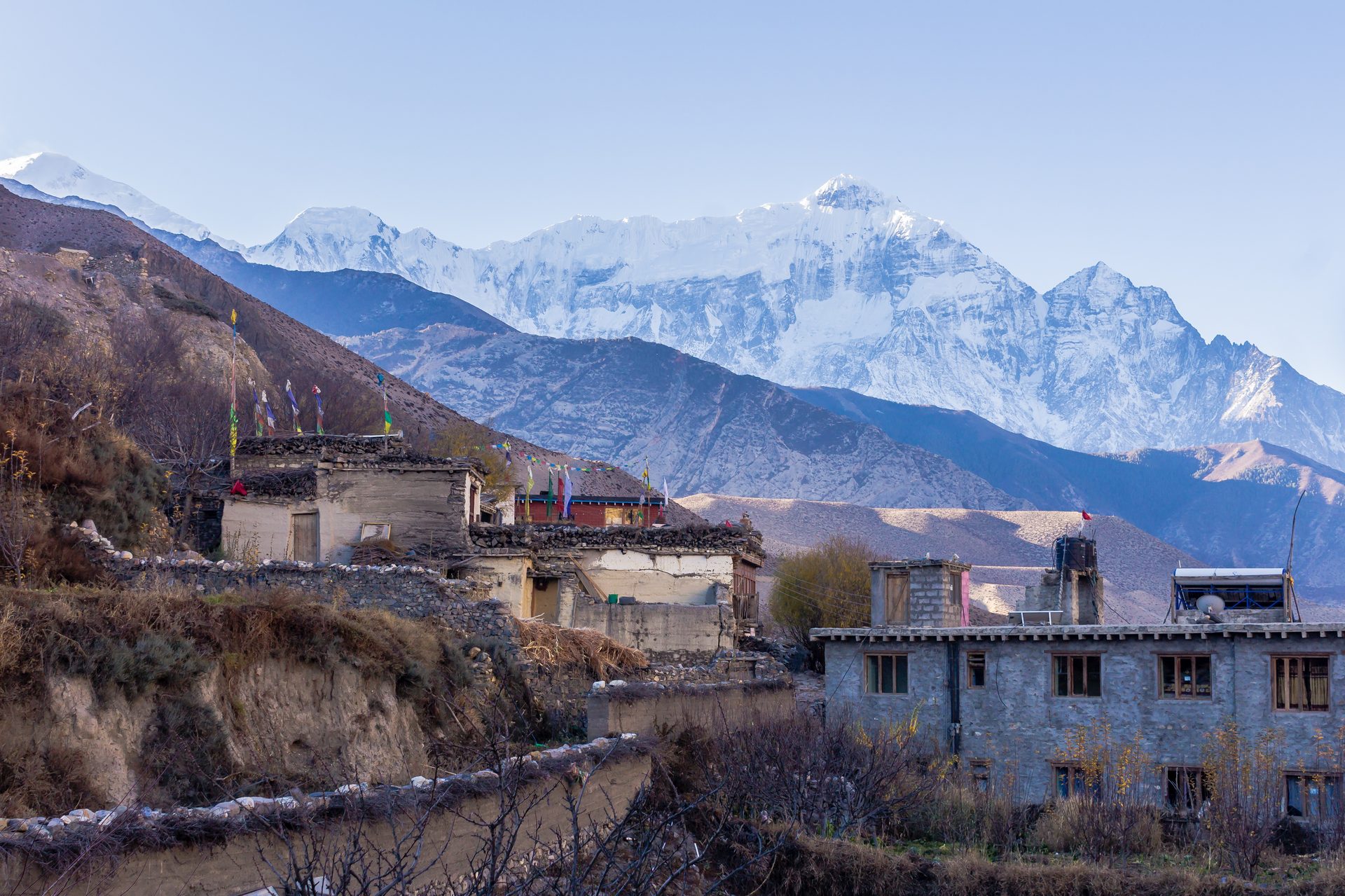
May 21, 2026
7 Best Upper Mustang Trekking Routes for 2026
May 21, 2026
Upper Mustang Jeep Tour: Lo Manthang Without the Trek
May 21, 2026
Festivals of Upper Mustang: 6 Cultural Events That Define the Year
May 21, 2026
Tsum Valley Trek: The Essential Guide for 2026
May 21, 2026
Tsum Valley: The History of the Shyagya Non-Violence Tradition
May 21, 2026
Nepal Trekking Gear Checklist: What to Pack for the Himalaya
May 21, 2026
Top 10 Hidden Hikes in Nepal's Enchanting Tsum Valley
May 21, 2026
Tilicho Lake via Mesokanto Pass: Short, Wild Mustang Trek
May 21, 2026
Tiji Festival in Upper Mustang: Dates, Rituals and 2026-27 Guide
May 21, 2026
6 Least-Trekked Places in Nepal Worth Going to in 2026
May 21, 2026
Rolwaling & Lapche Valley Trek: Gaurishankar's Hidden Routes
May 21, 2026
8 Reasons to Visit Upper Mustang in 2026
May 21, 2026
Panch Pokhari Trek: Sacred Lakes North of Kathmandu
May 21, 2026
North Annapurna Base Camp Trek: Nepal's Quiet Alternative
May 21, 2026
Nepal Visa Guide 2026: Everything Trekkers Need to Know
May 21, 2026
Nepal Visa: The Complete 2026 Guide for Trekkers
May 21, 2026
Nepal Trekking Permits and Costs 2026: The Complete Guide
May 21, 2026
Nepal Trekking Equipment Checklist: What to Actually Pack (2026)
May 21, 2026
Monasteries of Dolpo: Sacred Gompas of Hidden Nepal
May 21, 2026
Manungkot Viewpoint: Nepal's Sunrise Above the Clouds
May 21, 2026
Manaslu Circuit Trek: Complete 2026 Guide
May 21, 2026
Manaslu Circuit Trek 2026: A Complete Guide from Kathmandu
May 21, 2026
Kirtipur Day Trip: Kathmandu's Living Newari Hill Town
May 21, 2026
Kanchenjunga Trek Guide 2026: Routes, Permits and Itinerary
May 21, 2026
Kalinchowk: Nepal's Easiest Winter Snow Escape from Kathmandu
May 21, 2026
High Pass Treks in Nepal: 16 Crossings Above 5,000 m
May 21, 2026
Everest Base Camp Trek: The Complete 2026 Guide
May 21, 2026
Everest Base Camp Trek: A Complete 2026 Guide from Kathmandu
May 21, 2026
Dolpo Trekking Guide 2026: Routes, Permits and Practical Tips
May 21, 2026
12 Best Treks in Nepal for 2026: A Local Guide's Honest Ranking
May 21, 2026
The 6 Best Summer (Monsoon) Treks in Nepal
May 21, 2026
17 Best Himalayan Viewpoints in Nepal (Ranked by Local Guides)
May 21, 2026
Best Day Hikes in and Around Kathmandu Valley
May 21, 2026
10 Best Day Hikes Around the Kathmandu Valley
May 21, 2026
Ama Yangri Peak: A 3-Day Hike From Kathmandu with Big Mountain Views
May 21, 2026