May 21, 2026 · 6 min read
Tsum Valley: The History of the Shyagya Non-Violence Tradition
The story of Tsum Valley's Shyagya tradition, a unique Himalayan vow of non-violence where no animal is ever killed, blessed by Guru Rinpoche.
Tsum Valley: The History of the Shyagya Non-Violence Tradition
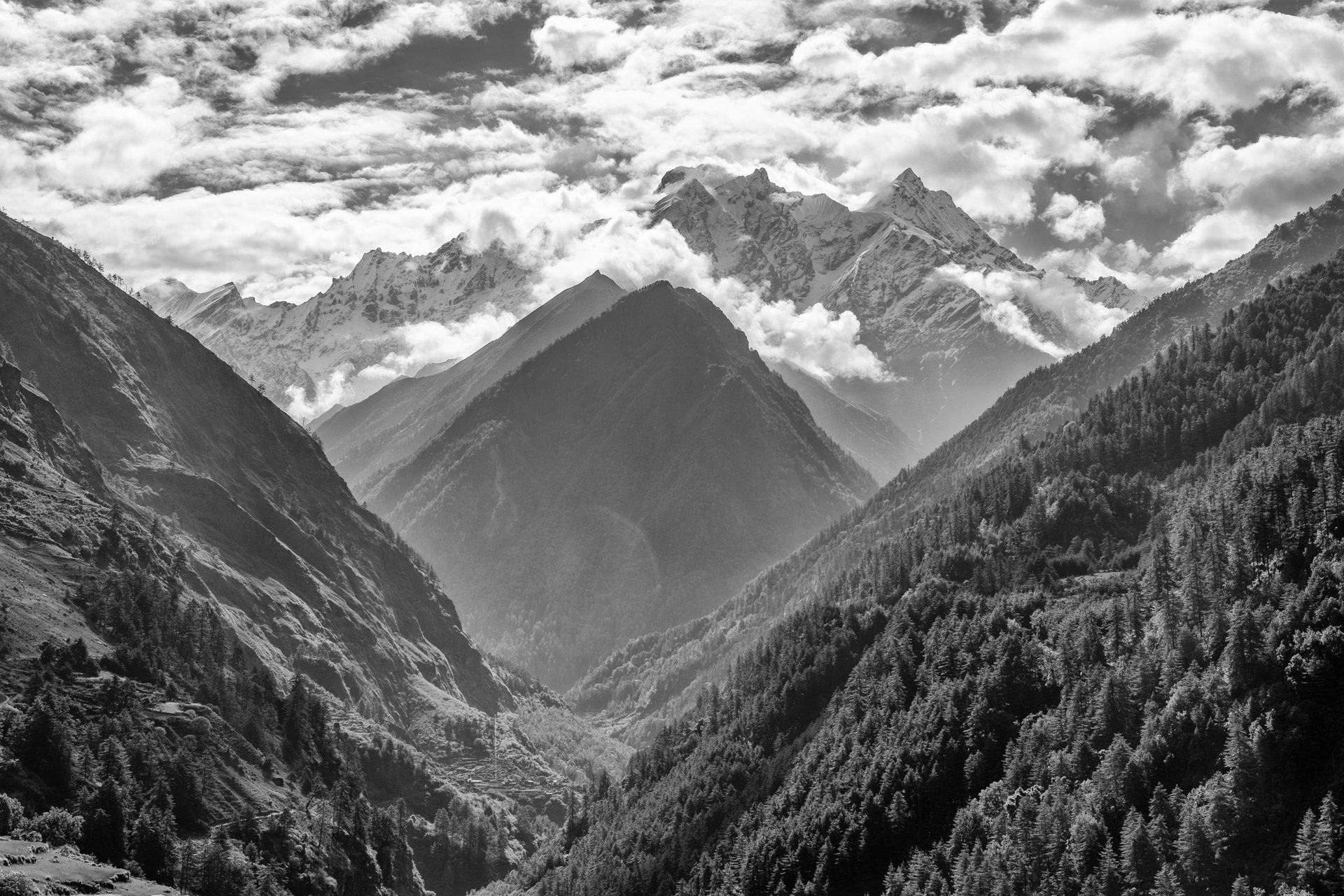
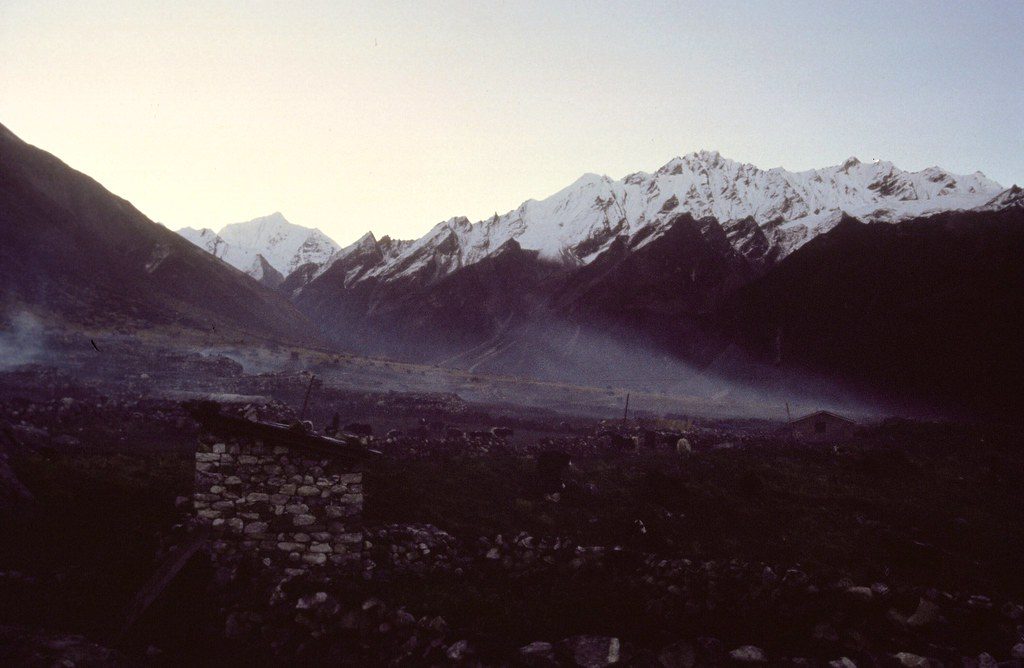
The word "Tsum" signifies a place hidden from all bad elements, whether human-made or natural. According to the current root Guru, Drukpa Rinpoche (Ngawang Khenrap), Tsum Valley was a hidden sanctuary blessed by Guru Padmasambhava (Guru Rinpoche) - a revered figure in Buddhism. He declared it a place sheltered from war, pandemics and natural disasters like acid rain. The name "Tsum" also refers to the valley's inaccessibility from the outside world, making it a secluded haven of peace and spiritual practice.
Unique Features of Tsum Valley
Tsum Valley boasts two significant features that make it a unique destination in the world:
The Shyagya Tradition (Non-Violence and Conservation)
Tsum Valley is the only place in the world where animals live freely until their natural death. No animals, whether domesticated or wild, can be killed for any reason. This tradition - called Shyagya - is a Tibetan term meaning non-violence or non-killing, where animals are treated with the same love and respect as family members.
Isolation and Seclusion
Tsum Valley is geographically closed off from the rest of the world, making it difficult for outsiders to reach. This isolation has preserved the valley's culture, natural beauty and spiritual practices, ensuring they remain intact over the centuries.
History of the Shyagya Tradition
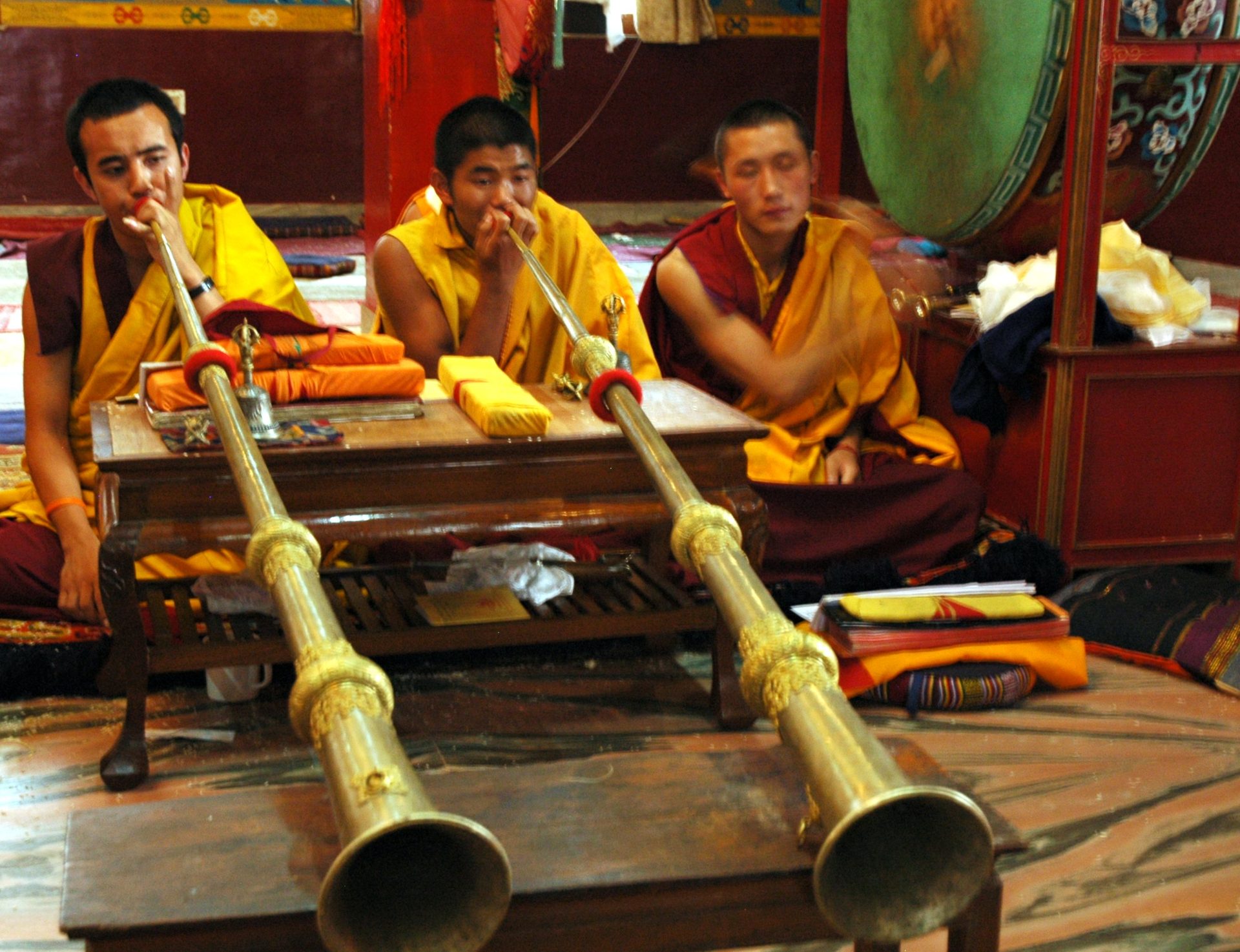
The Shyagya tradition in Tsum Valley began in 1920, initiated by the previous Drukpa Rinpoche. Born in Bhutan, he studied in his home country where the practice of killing pigs for celebration was common. Opposed to this practice, he frequently postponed or canceled his graduation celebrations. After being selected for a Buddhist conference in Kathmandu, Nepal, he traveled to remote villages, sharing his wisdom and teachings. During his time in Nepal, he built Bigu Gompa in Dolakha and Bhakhang Gompa in Sindhupalchok.
Drukpa Rinpoche then traveled to Tibet, where he continued his Buddhist studies in Lhasa. After completing his higher studies, he spread his teachings across Tibet, benefiting many with his wisdom. He eventually arrived at Kyirong Village, where he built Pangshing Gompa. During this time, Tsum's special nuns - including Ani Mingmar Dolma - invited him to Tsum Valley. Upon his arrival, he fell in love with the valley, its people and its natural beauty.
While residing in Tsum Valley, Drukpa Rinpoche dedicated many years to eliminating superstition and negative beliefs. Before his arrival, the people of Tsum Valley believed in practices such as avoiding business transactions on Sundays, canceling journeys if a cat crossed the path, and not washing after noon. Under his guidance, these superstitions faded, and people embraced positive cultural values, such as respect for elders and care for the young.
Drukpa Rinpoche's influence also led to the founding of Mu Gompa - the monk's center in Upper Tsum - and later Rachhen Jang Chub Choeling Monastery, a nunnery between Ngak and Lar villages. After many years in Tsum Valley, when he expressed a desire to return home, the locals requested him to stay as their permanent spiritual guide. He agreed, on the condition that the people of Tsum commit to non-violence, particularly towards animals.
Thus, in 1920, the Shyagya tradition was established, with the mutual consent of Tsum's ancestors.
The Seven Shyagya Rules
The Shyagya tradition comprises the following rules:
- No killing of animals
- No hunting
- No trapping
- No selling weak or old animals to Tibet or neighboring regions
- Tsum Valley cannot be used for trading or transporting animals
- No honey hunting
- No forest fires
Tsum Shyagya Tradition Conservation Committee
The Tsum Shyagya Conservation Committee was established to preserve and promote this unique tradition. The first Shyagya Festival was held in 2009, organized by the Tsum Welfare Committee, with the presence of Drukpa Rinpoche's reincarnation - the current Drukpa Rinpoche, Ngawang Khenrap. This festival aimed to teach the younger generation about the valley's non-violent traditions and spread the message of compassion towards animals worldwide.
The second Shyagya Festival, held in 2011, was even grander, with all of Tsum's people gathering at Rachen Gompa. The festival showcased local cultural dances, classical mask dances and traditional performances in the presence of government officials and ministers. Following this festival, the Tsum Shyagya Conservation Committee was formally established to ensure the continuation of these practices.
Since 2012, the committee has organized educational programs in preliminary Buddhist philosophy, with five highly educated Buddhist teachers (Geshe) from Tibet visiting annually to teach the valley's residents. This effort aims to foster mutual understanding, social harmony and a peaceful environment.
The committee was officially registered in 2016 with the support of Nima Lama, the president of the Rural Municipality, and the CIPRED organization. The founder of Himalayan Hidden Trails, Namgyal, served as the Chairman of the Tsum Shyagya Conservation Committee.
The Centennial Shyagya Festival
In 2023, Tsum Valley celebrated the third Shyagya Centennial Festival, marking 103 years since the founding of the Shyagya tradition. Although the centennial was initially planned for 2020, it was delayed due to the COVID-19 pandemic. The festival was held from April 14 to April 23, 2023, with grand celebrations and a renewed commitment to the tradition.
The Current Root Guru, Drukpa Rinpoche
The current root guru, the reincarnation of the previous Drukpa Rinpoche, has spent over 40 years in Tsum Valley, continuing the work of his predecessor. Every year, he organizes Mani Poojas, two months of prayer ceremonies for peace and harmony, in Rachen Monastery during May and June. These gatherings attract people from all over Tsum, where they listen to his teachings based on Buddha's texts and spiritual wisdom. The current Drukpa Rinpoche is also well known across Nepal, especially in villages such as Sindhupalchok, Gorkha, Dolakha, Kaski and Manang.
A Living Testament to Compassion
Through the guidance of the Drukpa Rinpoche, the valley of Tsum remains a living testament to the values of non-violence, compassion and spiritual wisdom, preserving its unique traditions for future generations. For trekkers visiting Tsum Valley, the experience of walking through villages where animals live without fear is profound - a glimpse of what a different relationship between humans and the natural world might look like.
To experience the Shyagya tradition firsthand and visit the sacred monasteries of Tsum Valley, explore our Tsum Valley trekking packages with Himalayan Hidden Trails - founded and operated by Tsumpa locals committed to preserving and sharing this remarkable tradition.
More stories
Sep 12, 2026
Five Weeks in the Tsum Valley: A Trekker's Story
May 21, 2026
Why Trek in Nepal? Nine Honest Reasons from Local Guides
May 21, 2026
The Villages of Upper Mustang: A Field Guide to Lo Tsho Dyun
May 21, 2026
7 Best Upper Mustang Trekking Routes for 2026
May 21, 2026
Upper Mustang Jeep Tour: Lo Manthang Without the Trek
May 21, 2026
Festivals of Upper Mustang: 6 Cultural Events That Define the Year
May 21, 2026
Tsum Valley Trek: The Essential Guide for 2026
May 21, 2026
Tsum Valley: The History of the Shyagya Non-Violence Tradition
May 21, 2026
Nepal Trekking Gear Checklist: What to Pack for the Himalaya
May 21, 2026
Top 10 Hidden Hikes in Nepal's Enchanting Tsum Valley
May 21, 2026
Tilicho Lake via Mesokanto Pass: Short, Wild Mustang Trek
May 21, 2026
Tiji Festival in Upper Mustang: Dates, Rituals and 2026-27 Guide
May 21, 2026
6 Least-Trekked Places in Nepal Worth Going to in 2026
May 21, 2026
Rolwaling & Lapche Valley Trek: Gaurishankar's Hidden Routes
May 21, 2026
8 Reasons to Visit Upper Mustang in 2026
May 21, 2026
Panch Pokhari Trek: Sacred Lakes North of Kathmandu
May 21, 2026
North Annapurna Base Camp Trek: Nepal's Quiet Alternative
May 21, 2026
Nepal Visa Guide 2026: Everything Trekkers Need to Know
May 21, 2026
Nepal Visa: The Complete 2026 Guide for Trekkers
May 21, 2026
Nepal Trekking Permits and Costs 2026: The Complete Guide
May 21, 2026
Nepal Trekking Equipment Checklist: What to Actually Pack (2026)
May 21, 2026
Monasteries of Dolpo: Sacred Gompas of Hidden Nepal
May 21, 2026
Manungkot Viewpoint: Nepal's Sunrise Above the Clouds
May 21, 2026
Manaslu Circuit Trek: Complete 2026 Guide
May 21, 2026
Manaslu Circuit Trek 2026: A Complete Guide from Kathmandu
May 21, 2026
Kirtipur Day Trip: Kathmandu's Living Newari Hill Town
May 21, 2026
Kanchenjunga Trek Guide 2026: Routes, Permits and Itinerary
May 21, 2026
Kalinchowk: Nepal's Easiest Winter Snow Escape from Kathmandu
May 21, 2026
High Pass Treks in Nepal: 16 Crossings Above 5,000 m
May 21, 2026
Everest Base Camp Trek: The Complete 2026 Guide
May 21, 2026
Everest Base Camp Trek: A Complete 2026 Guide from Kathmandu
May 21, 2026
Dolpo Trekking Guide 2026: Routes, Permits and Practical Tips
May 21, 2026
12 Best Treks in Nepal for 2026: A Local Guide's Honest Ranking
May 21, 2026
The 6 Best Summer (Monsoon) Treks in Nepal
May 21, 2026
17 Best Himalayan Viewpoints in Nepal (Ranked by Local Guides)
May 21, 2026
Best Day Hikes in and Around Kathmandu Valley
May 21, 2026
10 Best Day Hikes Around the Kathmandu Valley
May 21, 2026
Ama Yangri Peak: A 3-Day Hike From Kathmandu with Big Mountain Views
May 21, 2026